
Paris Motor Show Topline: European Automakers Cling To The Past, Chinese Lead To The Future


Support CleanTechnica’s work through a Substack subscription, on Patreon, or on Stripe. Help us produce all of the high-quality, original content we publish week after week despite the challenges of content-scraping AI, antisocial media, inflation, and other hurdles.
Last night, I returned home from Mondial de l’Auto 2026, otherwise known as the Paris Motor Show. My time there was packed with events and conversations. While at the show, I also attended the Paris Automotive Summit, hearing from multiple industry executives. I will get into more depth on some of these topics in future articles, but some topline observations stood out.
The biennial event looked significantly different than in the past. Roughly a third of the show was Chinese brands. More, depending on how you classify brands like Smart, Volvo and Lotus. Brands like BMW, Porsche, Mini, Maserati, Jaguar and Land Rover were missing. Toyota, Nissan, Suzuki, Mazda and Mitsubishi also did not show up. Honda had a small booth with a couple of ICE cars, while Subaru appeared in a shared booth area. Hyundai/Kia had a larger presence than all of Japan, but a focus on a few new hybrids. Ford displayed some old racing cars and a new Ranger trim and Jeep had a couple of models not offered in the US. Tesla had a Cybercab on display, while Lucid announced their entry into Europe.
However, a contrast between European legacy automakers and the relatively new entrants from China became clearly visible.
European Automakers Cling To The Past
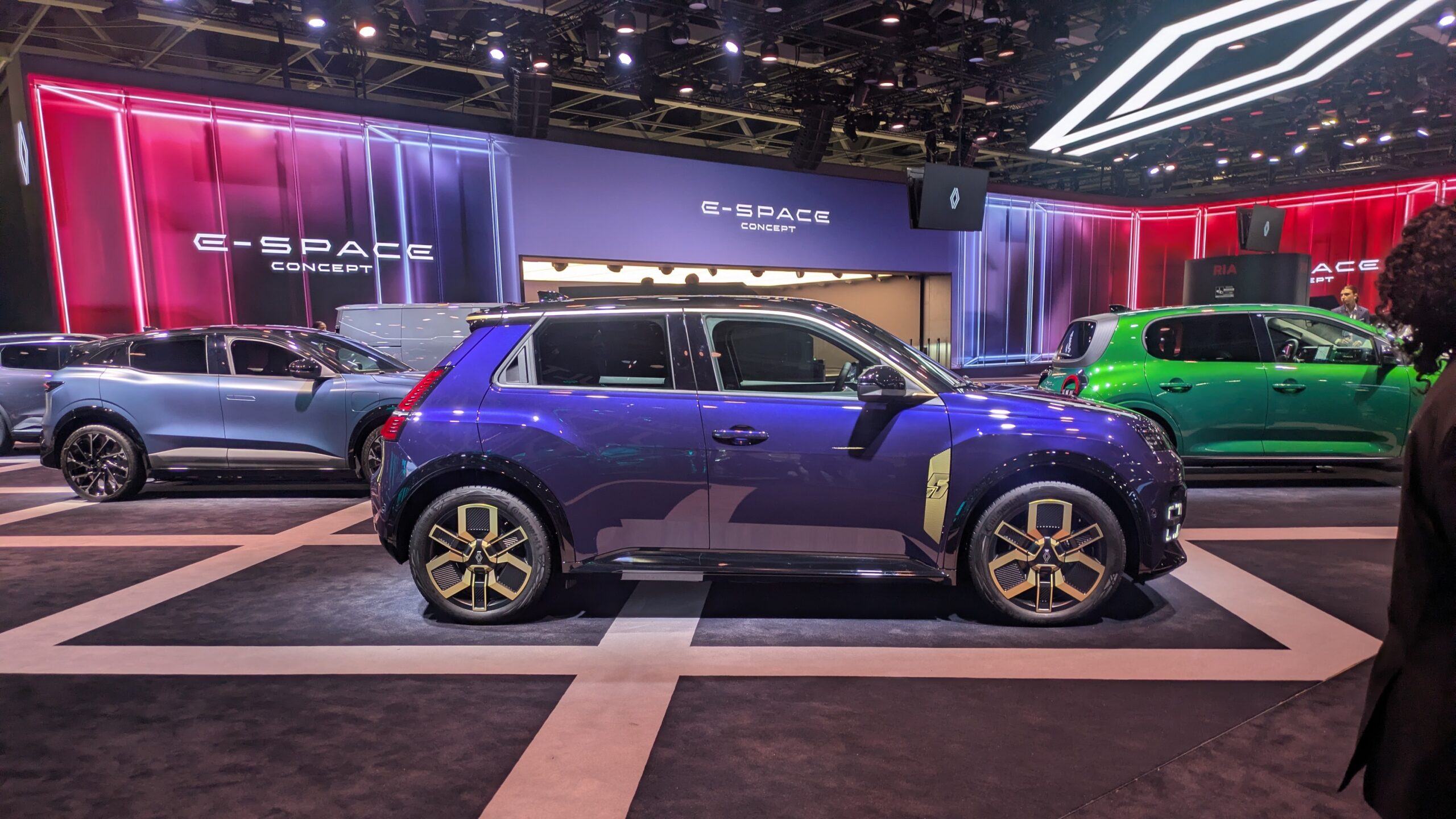
When going through the European stands, you immediately notice the retro styling. In many cases, these vehicles have somewhat compromised packaging, quality and specifications. However, they appeal strongly to the legacy of the brand. While we had previously seen an appeal to legacy in Beijing, the embodiment within product became more pronounced in Paris. Perhaps the vehicle that attracted the most attention was the 2 CV at the Citroën booth. While clearly a concept car, it heavily leveraged the brand’s history.
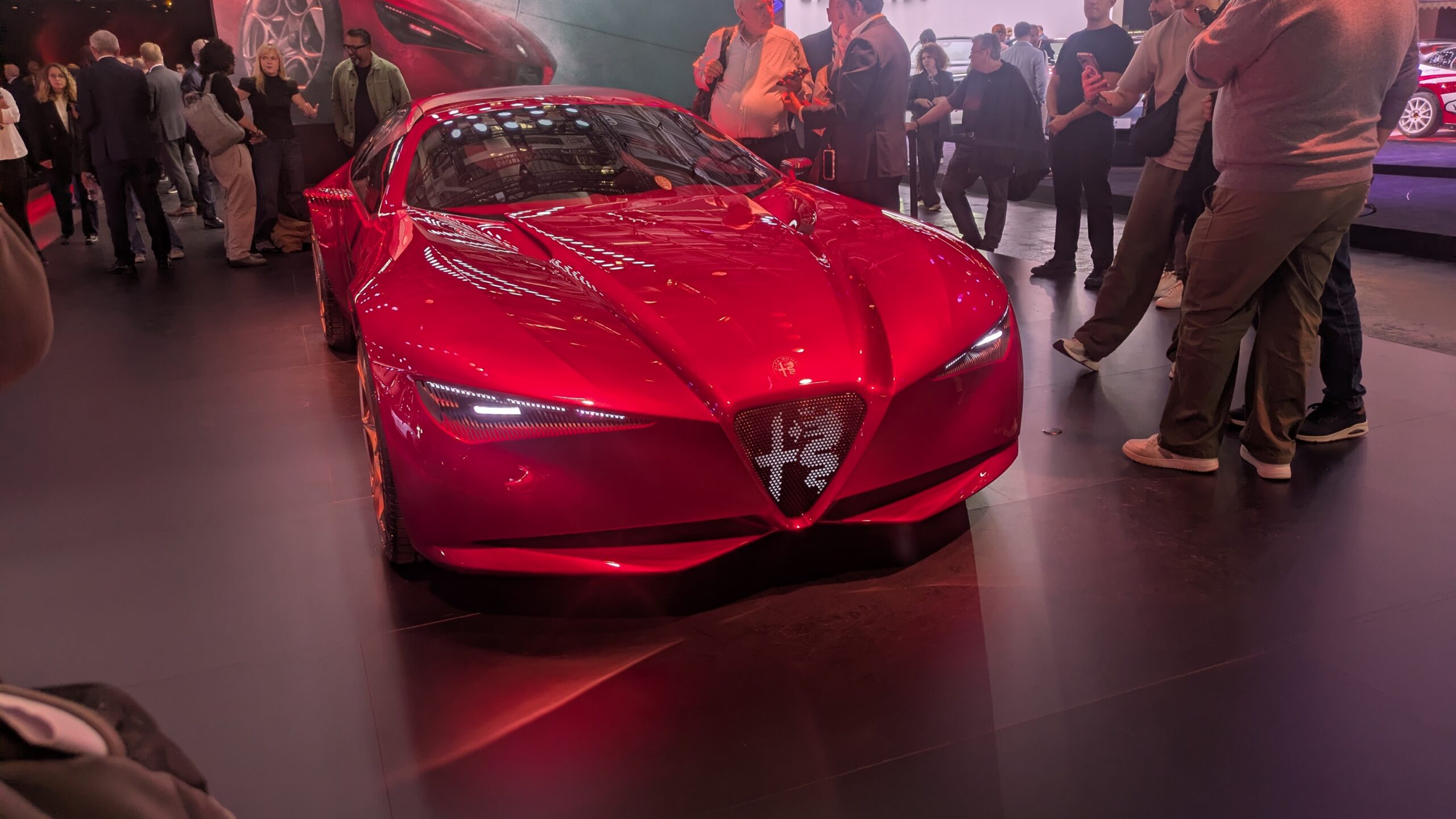
Alfa Romeo was pulling inspiration for their Cuorerosso concept from their past, but made it feel futuristic. Cars like the Fiat 600 and Multiplay concept, Renault 4 and 5, ID.Polo and Peugeot E-208 GTi clearly build on the legacy of the companies that make them. Speaking to European colleagues around my age, those retro vehicles recall positive memories from their youth. But how will these cars appeal to new generations of buyers?
However, beyond the styling, a more troubling aspect was a backward-looking perspective for the industry. Moving to the Paris Auto Summit, this led to an overall political appeal from European legacy brands for weakening:
- Weaken emissions regulations that would accelerate electrification. Justified as giving European automakers “flexibility.” Those regulations would have forced them to rapidly electrify mainstream vehicles.
- Weaken pressure from competition through trade policy. That competition has no problem meeting emissions targets. Superior EVs at affordable prices would have forced them to electrify mainstream vehicles to compete.
- Weaken safety regulations to create a Europe-specific class of small cars between quadricycles and regular vehicles. By making EVs that are not up to global vehicle standards, they could move faster, reduce prices and meet emissions targets more easily. While the small cars have merit, the focus also delays the electrification of affordable mainstream vehicles.
At the same time, we also heard about renewed efforts in ICE development. Some of this weakening was framed in terms of giving European automakers time. However, when you move more slowly than competitors, the more time you spend being coddled and focused on the past, the farther you fall behind. If prices remain artificially inflated, adoption slows. To remain relevant, they need to compete and look forward.
Overall, there was no clean technology that wowed from the European companies. It didn’t seem to be a focus of the executive speeches and the summit. The companies were playing more defense than offense. The tone was often negative and somewhat disrespectful to their competition. If the efforts to put electrification in retro wrappers motivates some to buy EVs, then that is a good thing. But you didn’t get the sense that they were trying to lead the global industry into the future.
Chinese Automakers Lead To The Future
XPENG brought me to the event, and I could easily see why by the end of the show. The company was actively claiming a global industry and technology leadership position. Not in terms of being ahead on overall sales volumes, but rather in their approach to technology and the industry. To truly “lead” and not just be ahead by some metric, you need to be inclusive of others and blaze a path forward. It is about “we,” not “me.” Leadership happens through example, message and action.
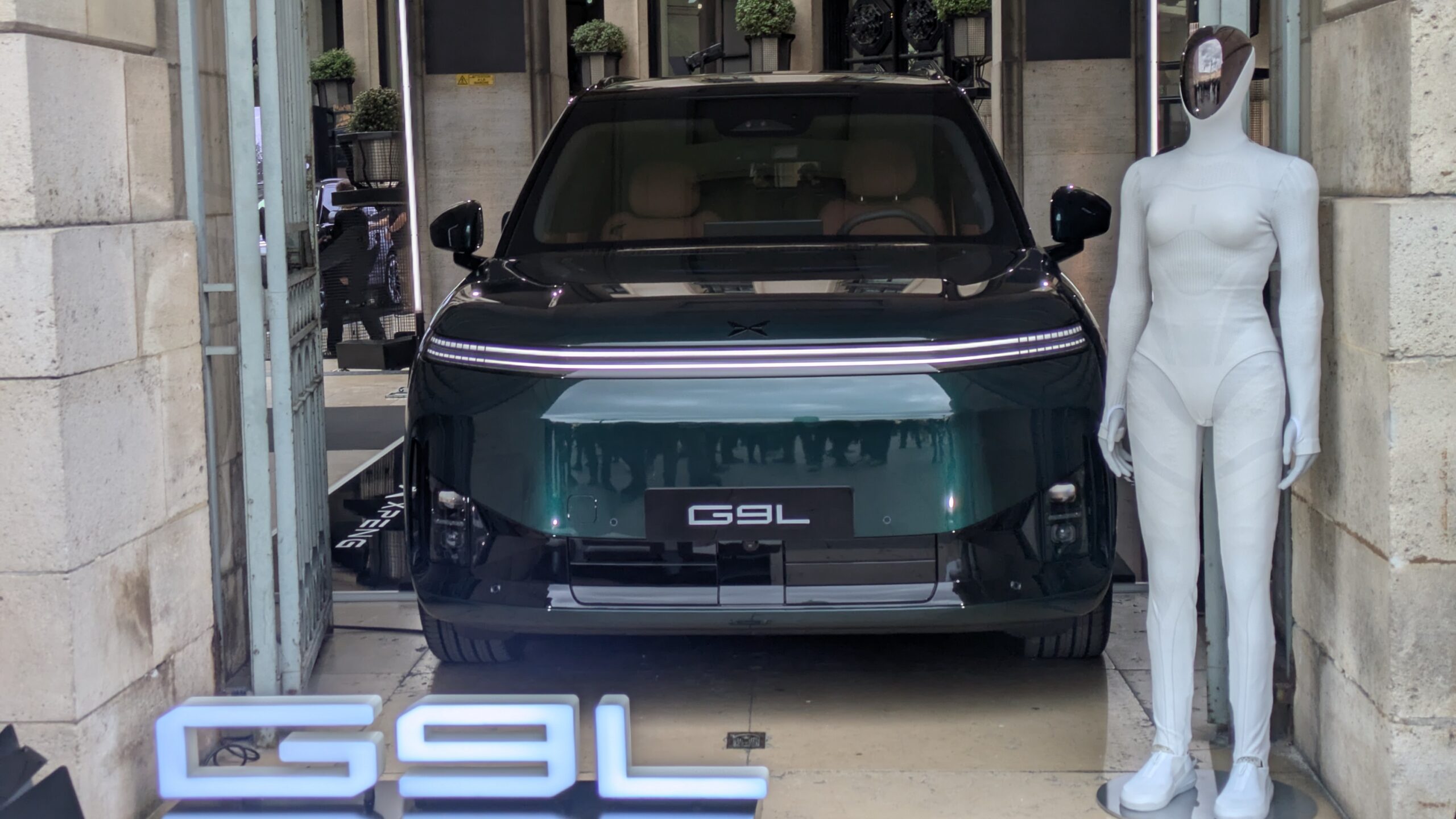
You could see XPENG’s leadership emerge at the show. The new G9L launch represented their latest technology at a competitive price. When compared back-to-back with competitors that once impressed in the segment, the new model is clearly raising the bar. While many were invited to conduct intelligent driving demos, only XPENG and Tesla dared to take on Paris traffic. Riding in the L03 again, the car was driving itself better than most of the human drivers on these roads.
CEO He Xiaopeng was the first Chinese executive and the only non-European executive at this year’s the Paris Automotive Summit. But he was also the only executive at the summit to present a tech-driven, positive vision of the future. A future where he hoped to work with European industry, rather than just compete against it.
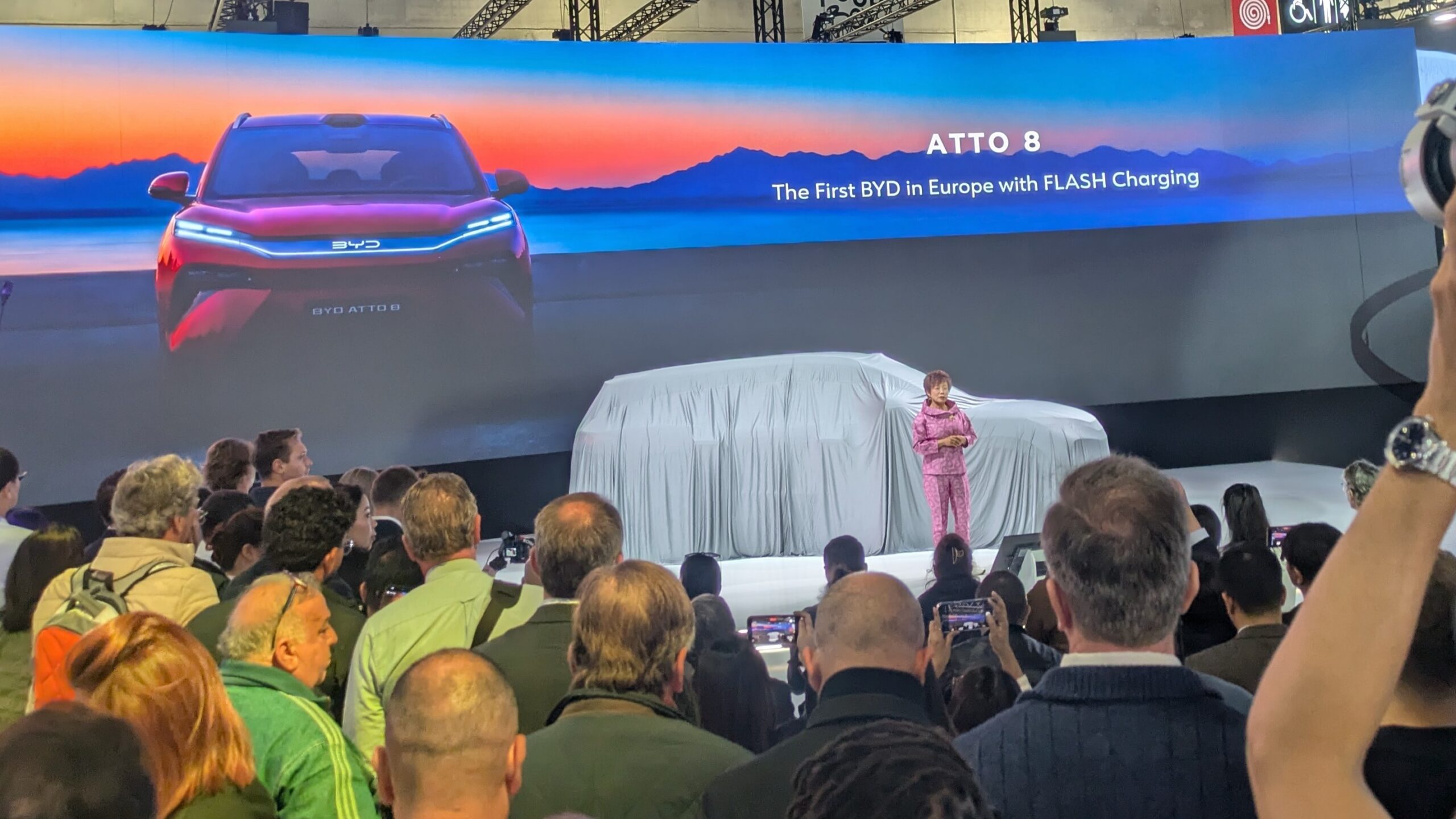
While BYD also introduced some important technology at their booth next door, they took a more measured approach. Overall, BYD seemed to be sandbagging their European lineup. Most of their model range at the show has either been discontinued in China, isn’t offered in China or is about to be discontinued. The Denza stand had more advanced global models, but at a much larger markup. The big news was the addition of Flash Charging on the ATTO 8 (Tang L), which is the first appearance of the technology under the main brand in Europe on what is an older model in China. However, holding back their best may not work out well in the end. While offering a long range model with the fastest charging so far in Europe, Chinese competitors may be months away from mainstream rollouts of MW-level charging with charging infrastructure. Holding back may lose BYD their flash charging advantage.
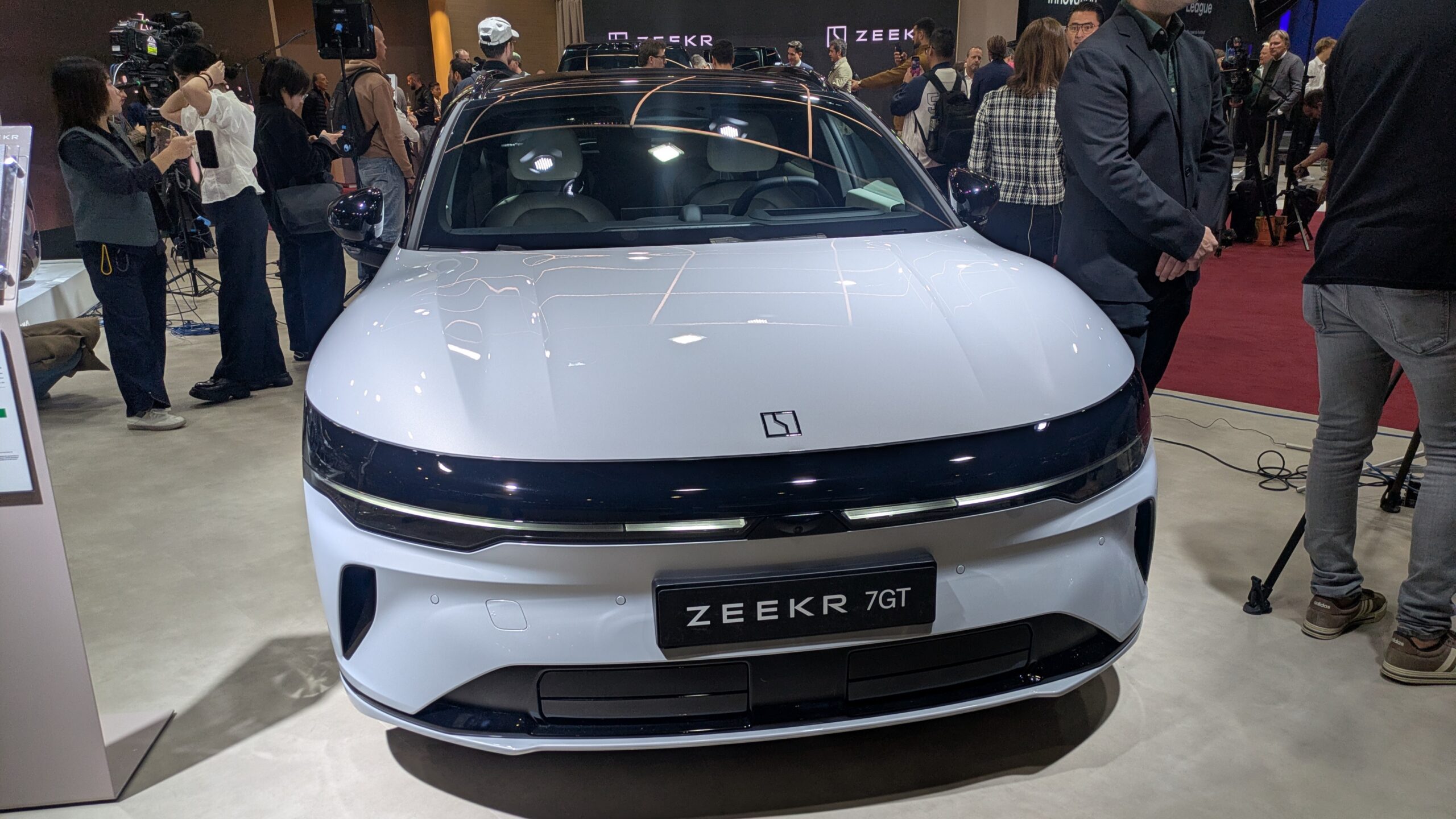
Other Chinese brands also presented strong cases for themselves. Li Auto showed off their futuristic models ahead of their 2027 European launch. Geely brands either had superior tech to European competitors or far superior pricing for comparable vehicles. Leapmotor was positioned next to their Stellantis partners and offered superior value in comparison, if somewhat bland styling. I could see that partnership evolve rapidly to use Leapmotor engineering under Stellantis designs. However, even the least inspiring vehicles from the state run automakers still offered a strong value in the market.
There is more to come, but I felt like I was witnessing a sea change. A shift in roles and perspectives coming into focus. To be clear, I believe there is nothing wrong with building upon past accomplishments. But that shouldn’t be building walls to isolate markets and try to hold back progress. Europe has an opportunity to build connections with partners and build a path to the future, if they can find the strength and vision to get there before it is too late.
Sign up for CleanTechnica’s Weekly Substack for Zach and Scott’s in-depth analyses and high level summaries, sign up for our daily newsletter, and follow us on Google News!
Have a tip for CleanTechnica? Want to advertise? Want to suggest a guest for our CleanTech Talk podcast? Contact us here.
Sign up for our daily newsletter for 10–15 new cleantech stories a day. Or sign up for our weekly one on top stories of the week if daily is too frequent.


CleanTechnica uses affiliate links. See our policy here.
CleanTechnica’s Comment Policy