

Support CleanTechnica’s work through a Substack subscription, on Patreon, or on Stripe. Help us produce all of the high-quality, original content we publish week after week despite the challenges of content-scraping AI, antisocial media, inflation, and other hurdles.
Two years ago, the EU imposed new tariffs on Chinese made electric cars because they were flooding the the new car market in Europe. For some reason, the European Commission decided not to place similar tariffs on plug-in hybrids made in China at the same time. The German auto industry in particular is seeing a steep drop in sales, which has led Volkswagen to slash 100,000 jobs and make plans to shutter up to four of its factories in Germany.
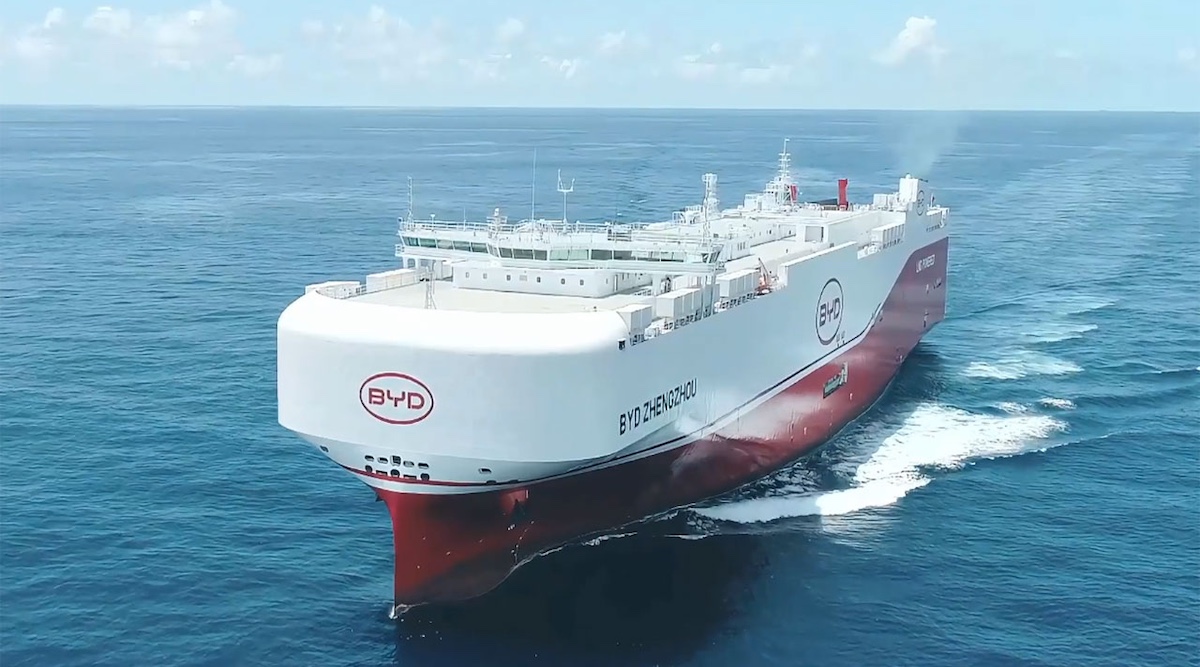
The Chinese companies, being rational thinkers, said, “OK, since our EVs will now be more expensive, we will pivot to sending you plug-in hybrid automobiles instead.” And boy, howdy, did they ever! The flow of Chinese PHEVs became a flood reminiscent of The Sorcerer’s Apprentice. China currently exports about 200,000 PHEVs a month — most of them to Europe. That’s up dramatically from less than 10,000 per month three years ago.
Before we proceed any further with this story, I need to criticize the mainstream media, especially the New York Times, which clearly does not understand the distinction between a hybrid — like the Toyota Prius — and a plug-in hybrid — like the Prius Prime. The Times should be ashamed that its reporters do not know the difference. In its report about the latest agreement between the EU and China, it constantly refers to “hybrids.” The deal is not about hybrids at all; it is about plug-in hybrids, and the distinction is important.
A Trade Delegation To China
Last week, Maros Sefcovic, the trade commissioner for the EU, made an emergency trip to Beijing to address the issue directly with Chinese authorities. After two days, the parties agreed that China would reduce its exports of plug-in hybrids by half over the next four years. In exchange, China agreed to reduce tariffs on imports of European goods such as auto parts, olive oil, and footwear with a total value of about €4 billion annually. This will save European exporters about €125 million a year in duties on their shipments to China, Sefcovic said.
China also agreed to reduce export restrictions on rare earth materials. A statement from the Chinese ministry of commerce said China is “willing … to continue facilitating the approval of export licenses for rare earths and permanent magnets destined for the EU.”
Playing By The Rules
What is notable about the agreement is the speed with which it came together. Both the EU and China conducted their negotiations within the framework established by the World Trade Organization — the kind of rules based organization that the current US administration loathes.
Apart from the agreement itself, both sides have recommitted themselves to the basic tenets of globalism — an important signal to other nations who may be considering abandoning the WTO. China has made it clear it is very much opposed to unilateral tariffs and very much in favor of working within the framework of the WTO to resolve trade disputes. A joint statement issued by China and the European Union said “both sides will continue, within the framework of WTO rules, to explore the possibility of tariff reductions or elimination for certain goods.”
Some issues were left unresolved, notably whether the European Union will also forgo plans to require that key components of technologies like electric cars and wind turbines be manufactured in Europe. Also unresolved is whether the European Union will proceed with anti-subsidy tariffs on wind turbines. Mr. Sefcovic said that more talks were planned early next year.
An Understanding On Trade
China’s Ministry of Commerce said in a separate statement that the two sides had “reached an understanding on trade in [plug-in] hybrid vehicles in a manner consistent with World Trade Organization rules.” Sefcovic said that the understanding would achieve specific reductions in imported cars, whereas tariffs are less able to directly limit the number of cars imported to the EU.
The New York Times reported another positive aspect of the agreement. It said it “addressed China’s need for an arrangement that would limit the often fierce competition among Chinese automakers in the European market, which has contributed to the Chinese automakers’ heavy losses. China has indicated it would much prefer it if the EU imposed specific import limits instead relying on the tariff structure currently in use.”
A Path To Profits
The Times also pointed out the similarity between this agreement and one that occurred in 2013. At that time, Europe was awash in cheap solar panels made in China, but the EU and China negotiated an agreement in which China agreed to voluntarily limit the number of solar panels it shipped to Europe, while Europe agreed not to impose tariffs on those solar panels.
“This allowed Chinese solar panel makers to raise prices sharply in Europe for their limited supply of solar panels, producing large profits for Chinese solar panel manufacturers that previously were losing money. The Chinese manufacturers invested those profits in more research and new factories, and now produce almost all of the world’s solar panels,” the Times noted.
If the same play book is followed for plug-in hybrid cars, it would allow Chinese electric car manufacturers to raise prices and improve profitability. New car sales in China have plummeted by almost a third in recent months, as plunging real estate values have wiped out the life saving of many families. China needs to export manufactured goods to keep its economy going, but selling items like cars below cost is not healthy. If limiting exports allows those companies to realize profits instead of swimming in a sea of red ink, everyone wins.
Adults In The Room
European leaders have been concerned about imports of Chinese made goods having a negative impact on manufacturing in the EU. “Time is on China’s side, with each passing month producing more than $30 billion in trade surplus for China and further weakening European competitors of Chinese manufacturers,” the New York Times reported. A statement by the Chinese trade delegation said that China and the European Union had “agreed to explore investment cooperation to foster mutual economic development and to discuss future-oriented cooperation.”
Both sides clearly understand that trade between them is vital to all their interests. Instead of making wild accusations and threatening to hold their breath until they turn blue, which is the default strategy of the current US administration, they are acting like mature adults who have competing interests but want to find a way forward that respects each other’s needs. What a concept!
Sign up for CleanTechnica’s Weekly Substack for Zach and Scott’s in-depth analyses and high level summaries, sign up for our daily newsletter, and follow us on Google News!
Have a tip for CleanTechnica? Want to advertise? Want to suggest a guest for our CleanTech Talk podcast? Contact us here.
Sign up for our daily newsletter for 10–15 new cleantech stories a day. Or sign up for our weekly one on top stories of the week if daily is too frequent.

CleanTechnica uses affiliate links. See our policy here.
CleanTechnica’s Comment Policy