

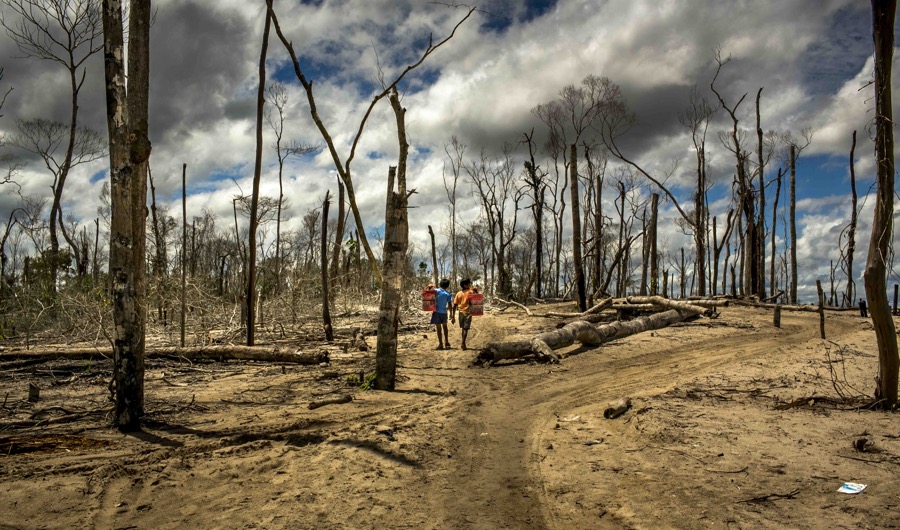
Illegal gold mining is continuing to pose a major threat to Peru’s rainforests, with environmental destruction spreading into new areas despite government crackdowns, military operations and repeated efforts to dismantle criminal mining networks.
Peru is one of the world’s important gold-producing nations, but the rapid expansion of illegal and informal mining has created a growing environmental and security crisis, particularly in the Amazon region. Vast areas of rainforest have been cleared to make way for mining pits, camps and processing operations.
The Madre de Dios region has become one of the most visible examples of the damage caused by illegal gold extraction. Miners often operate in remote locations where weak enforcement and difficult terrain make government intervention challenging.
The environmental consequences are severe. Forest clearing destroys biodiversity and damages fragile ecosystems, while the use of toxic substances such as mercury in gold processing can contaminate rivers and threaten wildlife and nearby communities.
Although Peruvian authorities have launched major operations against illegal mining, the industry has proved highly adaptable. When enforcement intensifies in one area, mining groups can shift operations to new and more remote locations. Rising gold prices have also increased the financial incentives for illegal operators.
The trade is increasingly linked to organised criminal networks, which may profit not only from illegal gold extraction but also from fuel smuggling, land trafficking, corruption and other illicit activities. This makes the problem far more complex than simply shutting down individual mining sites.
Local communities face a difficult balance between environmental protection and economic survival. In regions with limited employment opportunities, illegal mining can provide income, creating challenges for authorities attempting to enforce environmental laws without offering alternative livelihoods.
Environmental groups and policymakers argue that Peru will need a broader strategy to address the crisis. Stronger law enforcement, improved monitoring, tighter control of gold supply chains and greater investment in sustainable economic opportunities could all play an important role.
The battle for Peru’s rainforests is therefore becoming a test of whether environmental protection can keep pace with the economic forces driving the global demand for gold. Without stronger and more sustained action, illegal mining could continue to push deeper into the Amazon, leaving behind deforested landscapes, polluted rivers and long-term damage to one of the world’s most important ecosystems.