

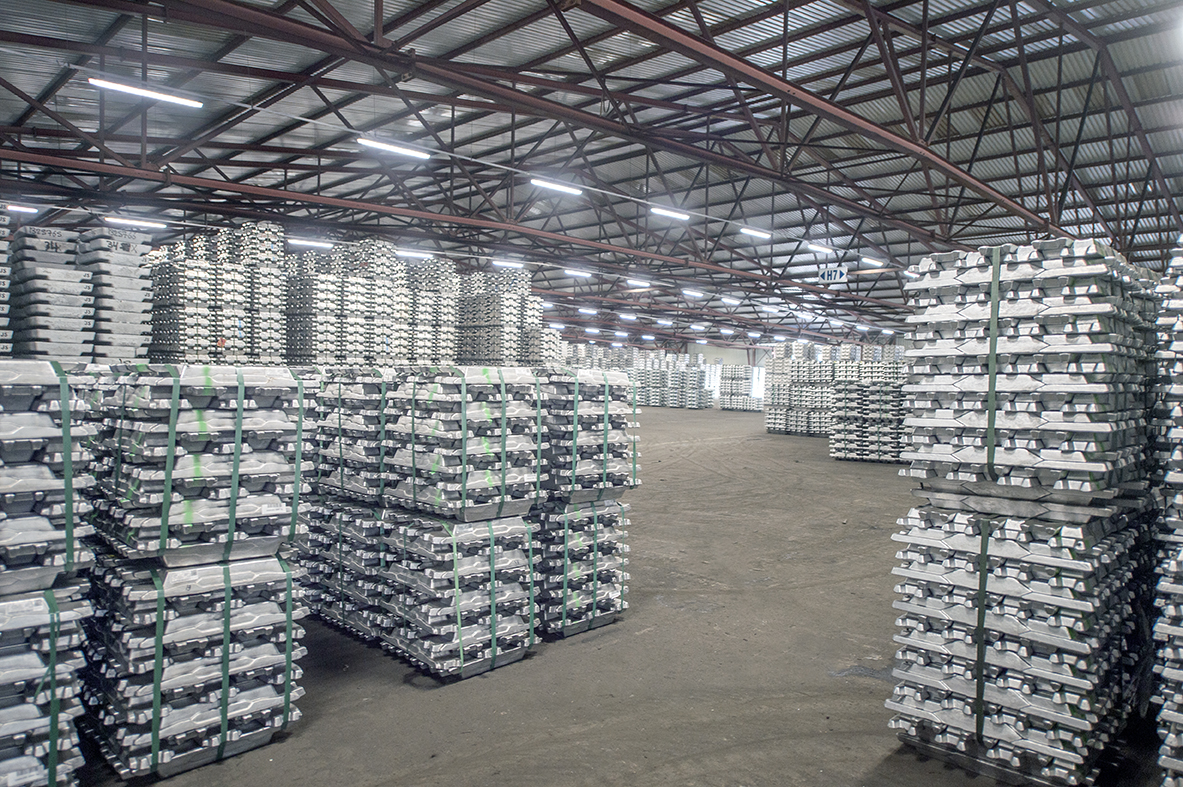
The first half of 2026 proved highly volatile for metals traded on the London Metal Exchange (LME), as geopolitical tensions, shifting trade policies, and hopes for diplomatic resolutions drove sharp price movements across key industrial metals.
Prices of copper, aluminum, nickel, zinc, and tin fluctuated significantly during the six-month period, reflecting changing investor sentiment amid conflicts in key regions, supply chain disruptions, and expectations of improved global economic conditions. Episodes of escalating geopolitical risks pushed prices higher on supply concerns, while signs of easing tensions and renewed peace efforts triggered profit-taking and price corrections.
Market participants also kept a close watch on global manufacturing activity, demand from China, energy costs, and central bank policy decisions, all of which contributed to heightened volatility in the metals market. Analysts noted that uncertainty over trade flows and raw material availability continued to influence buying and hedging strategies.
Despite the sharp swings, long-term demand for industrial metals remains supported by investments in renewable energy, electric vehicles, power infrastructure, and advanced manufacturing. However, analysts expect geopolitical developments and macroeconomic conditions to remain the primary drivers of LME metal prices in the coming months.
Investors and producers are likely to remain cautious as markets continue to react to both geopolitical headlines and economic data, with volatility expected to persist through the remainder of the year.