
Experts Warn Critical Minerals Buyers Against “Butter Mountains” and Aluminum Supply Floods

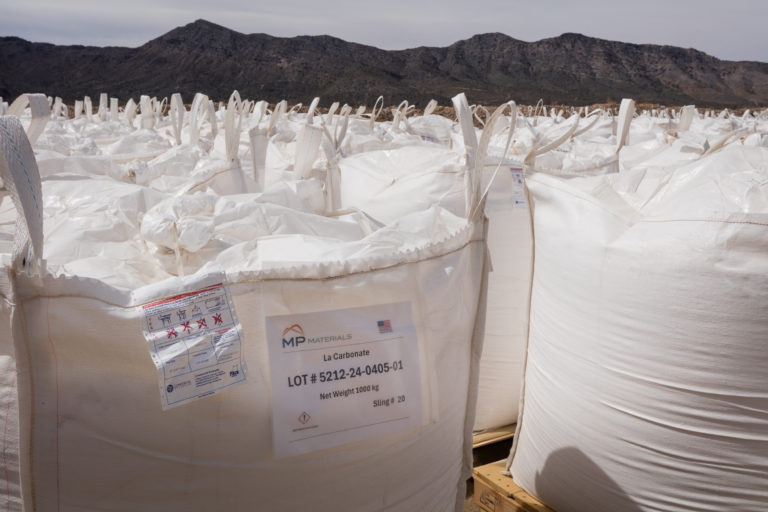
Industry experts are warning buyers and investors in the critical minerals sector to avoid repeating past commodity market mistakes, cautioning against the risks of oversupply situations often compared to historic “butter mountains” and potential aluminum market floods.
The warning comes as governments and corporations worldwide rapidly increase investment in minerals essential for electric vehicles, batteries, renewable energy systems, and advanced manufacturing. Analysts say aggressive production expansion without balanced demand forecasting could lead to major supply gluts in several industrial metals markets.
The term “butter mountains” refers to large excess stockpiles created in Europe during past agricultural subsidy programs, where overproduction resulted in massive unused inventories. Commodity analysts now fear similar scenarios could emerge in critical minerals and industrial metals sectors if supply growth significantly outpaces consumption.
Experts specifically highlighted aluminum as a market facing potential oversupply risks due to rising production capacity in multiple countries. While aluminum remains a crucial material for electric vehicles, packaging, construction, and renewable infrastructure, concerns are growing that rapid output increases could pressure prices and profitability across the industry.
Market observers also noted that some critical minerals projects are being approved based on optimistic long-term demand assumptions linked to the global clean energy transition. However, analysts warned that uneven adoption rates, technological shifts, and economic slowdowns could create temporary imbalances in supply chains.
Several mining and commodity specialists urged governments and investors to focus on sustainable market planning rather than pursuing unchecked expansion. They emphasized the importance of diversified supply chains, flexible production strategies, and careful demand forecasting to avoid major market disruptions.
The discussion has intensified as countries compete to secure supplies of lithium, nickel, cobalt, rare earths, copper, and aluminum to support industrial and energy security goals. Financial institutions are also increasingly monitoring whether heavy investment in mining and refining capacity could eventually trigger price volatility.
Industry leaders argue that while demand for critical minerals is expected to remain strong over the long term, market stability will depend on balancing production growth with realistic consumption trends and technological developments.