
Delhi High Court Rejects Great Eastern Energy Corporation Ltd Plea Over Raniganj Coalfield Bid

The Delhi High Court has rejected a plea filed by Great Eastern Energy Corporation Ltd concerning a bid related to the Raniganj Coalfield, dealing a setback to the company in an ongoing dispute linked to coal block and energy resource operations.
According to reports, the company had approached the court seeking relief regarding issues connected to the bidding or allocation process associated with the Raniganj coalfield area. However, the court reportedly declined to grant the requested relief, allowing the existing process or decision to continue.
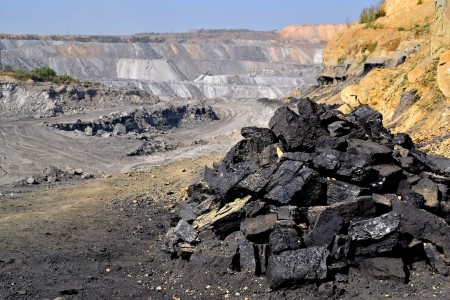
The Raniganj Coalfield, located in eastern India, is one of the country’s oldest and most significant coal-producing regions. The area holds substantial coal reserves and remains strategically important for India’s energy and industrial sectors.
Legal experts say the ruling highlights the increasing scrutiny surrounding natural resource allocation, bidding procedures, and regulatory compliance in India’s mining and energy industries. Courts have frequently played a key role in disputes involving coal blocks, mining rights, environmental clearances, and energy contracts.
Industry observers note that the decision could influence ongoing competition in the coal and energy sector, particularly as companies seek access to valuable mining assets amid rising energy demand and industrial expansion.
The case also reflects broader challenges facing companies operating in the resource sector, including regulatory complexities, policy changes, and legal disputes connected to extraction rights and commercial agreements.
Analysts believe the ruling may reinforce the importance of transparent bidding practices and adherence to regulatory procedures in India’s mining industry. The government has increasingly emphasized reforms aimed at improving accountability and efficiency in resource allocation.
India continues to rely heavily on coal for electricity generation and industrial use, making coalfield projects strategically important for both public and private sector companies.