
Sherritt Reverses Decision to Dissolve Cuban Assets Amid Sanctions Pressure

Sherritt International has reversed its earlier decision to dissolve its Cuban assets and joint ventures, signaling a major shift in strategy amid mounting pressure from expanded United States sanctions on Cuba.
The Canadian miner announced that it will no longer proceed with plans to dissolve its Cuban interests, including its stake in the Moa nickel joint venture operated with Cuba’s state-owned General Nickel Company. The reversal comes just days after the company had indicated it intended to exit the operations following intensified sanctions imposed by the United States.
Sherritt said the decision followed consultations with advisers, stakeholders, and government authorities, along with the emergence of what it described as a “potential value-preserving opportunity” that is currently under evaluation. The company, however, noted that there is no certainty regarding the outcome or timeline of the opportunity being explored.
Earlier this month, the company had announced plans to dissolve its Cuban joint ventures and surrender several energy and oil interests after the Trump administration expanded sanctions targeting Cuba’s mining and financial sectors. The sanctions specifically targeted Moa Nickel SA, the joint venture involving Sherritt and Cuba’s General Nickel Company.
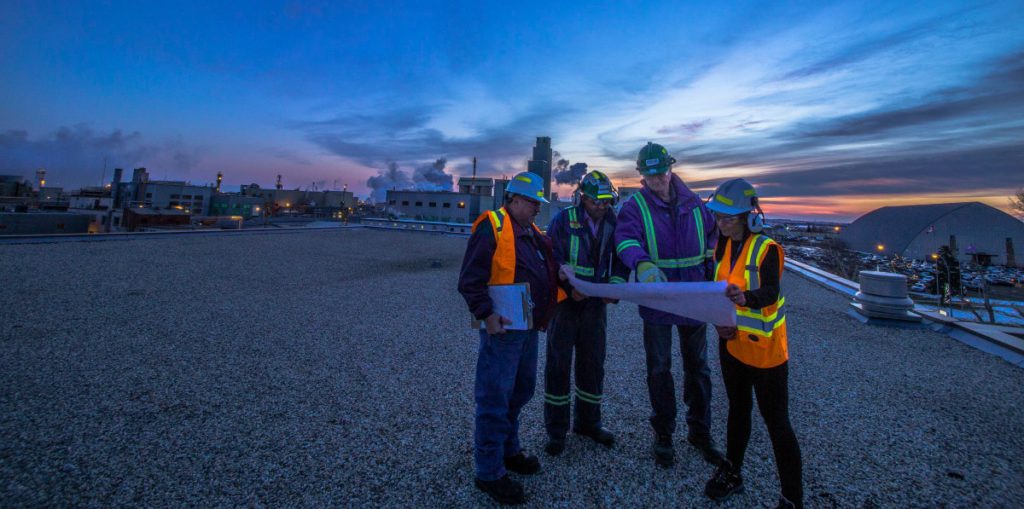
Sherritt’s Moa operation is considered strategically important because it produces nickel and cobalt, both critical minerals used in electric vehicle batteries and clean energy technologies. The company also operates a refinery in Alberta, Canada, which processes ore from the Cuban mine.
Despite halting the dissolution plan, Sherritt said it continues to face operational, financial, and legal challenges due to the sanctions environment. The company has maintained a suspension of direct participation in certain Cuban joint-venture activities while evaluating future options.
The development highlights the growing geopolitical risks facing mining companies operating in sanctioned regions. Analysts say ongoing tensions between the United States and Cuba could continue to create uncertainty for foreign investors and global supply chains tied to critical minerals production.