
Major Indian Copper Producers Oppose Inclusion of Scrap-Based Rods in Quality Standards

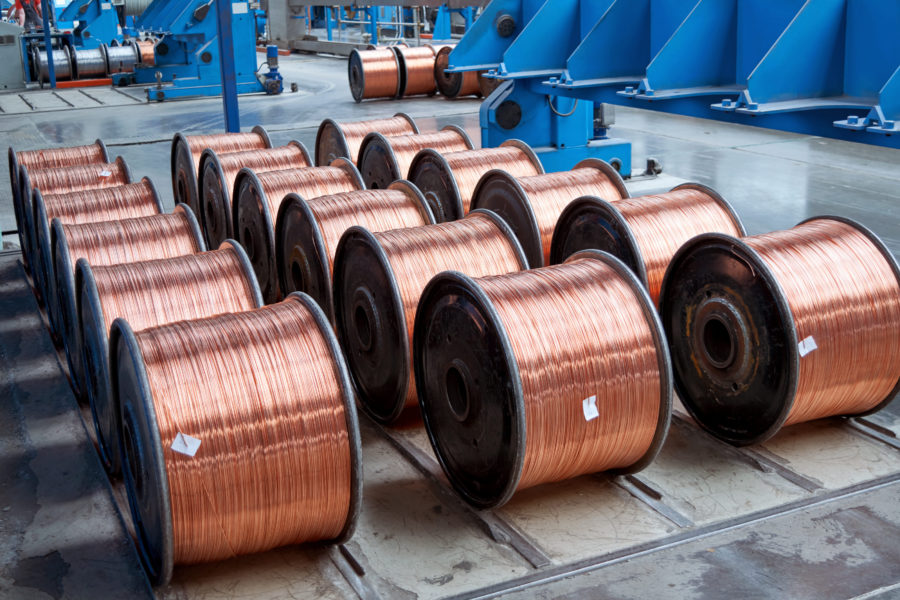
India’s leading copper producers, including Adani Enterprises, Vedanta Limited, and Hindalco Industries, have reportedly opposed the proposed inclusion of scrap-based copper rods under national quality standards, citing concerns over product reliability and long-term infrastructure safety.
According to industry sources, the companies have raised objections during consultations linked to revisions in copper rod standards overseen by the Bureau of Indian Standards (BIS). The producers argue that rods manufactured primarily from recycled copper scrap may not consistently meet the purity and conductivity requirements needed for critical sectors such as power transmission, renewable energy, railways, and real estate infrastructure.
The manufacturers reportedly believe that allowing scrap-based rods under the same quality certification framework as primary refined copper products could create risks related to electrical efficiency, durability, and safety standards. Industry executives have stressed that high-quality copper is essential for India’s expanding energy and infrastructure sectors.
India’s copper demand has been growing rapidly due to increasing investments in electric vehicles, renewable energy projects, power grid modernization, and electronics manufacturing. Analysts say the debate over standards comes at a time when the country is seeking to expand domestic copper production capacity while also encouraging recycling and circular economy practices.
Supporters of scrap-based manufacturing, however, argue that recycled copper helps reduce import dependence, lowers production costs, and supports environmental sustainability by minimizing mining-related emissions. Industry groups representing secondary copper manufacturers have reportedly called for balanced regulations that recognize technological improvements in recycling processes.
The dispute is expected to influence future policy decisions regarding India’s copper industry, which is witnessing significant expansion plans by both established and new players. Adani Group recently entered the copper refining business through a large-scale smelter project, while Vedanta and Hindalco continue to expand downstream metal production capabilities.
Experts believe the final standards framework could have long-term implications for India’s manufacturing competitiveness, infrastructure quality, and raw material sourcing strategies as the country positions itself as a major global industrial hub.