


Support CleanTechnica’s work through a Substack subscription, on Patreon, or on Stripe. Help us produce all of the high-quality, original content we publish week after week despite the challenges of content-scraping AI, antisocial media, inflation, and other hurdles.
A bargain electric van from China — the LDV eDeliver 5. “The tide is changing; people are more on board with Chinese cars and electric vehicles” in Australia. And it has 50% more cargo space than the Korean competition (6.6 cubic metres). For the same price!
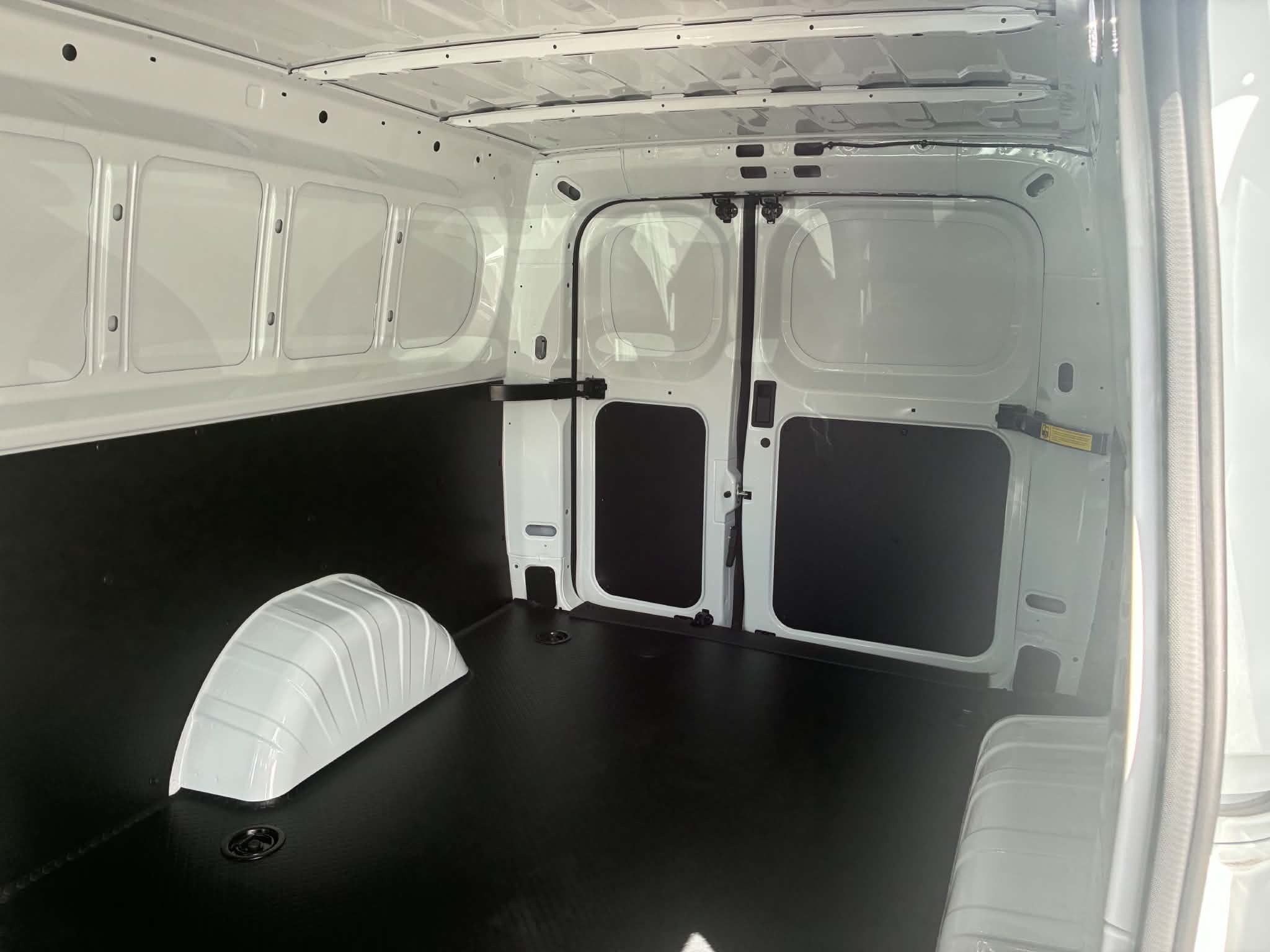
On the same day that we looked at the Kia PV5, we were also able to check out the LDV eDeliver 5. Chatting to the sales rep (Daniel), we discovered they had sold and delivered the one they had on the lot. Nevertheless, he told us some great stories and we caught up with the van at another dealership down the road later in the week.
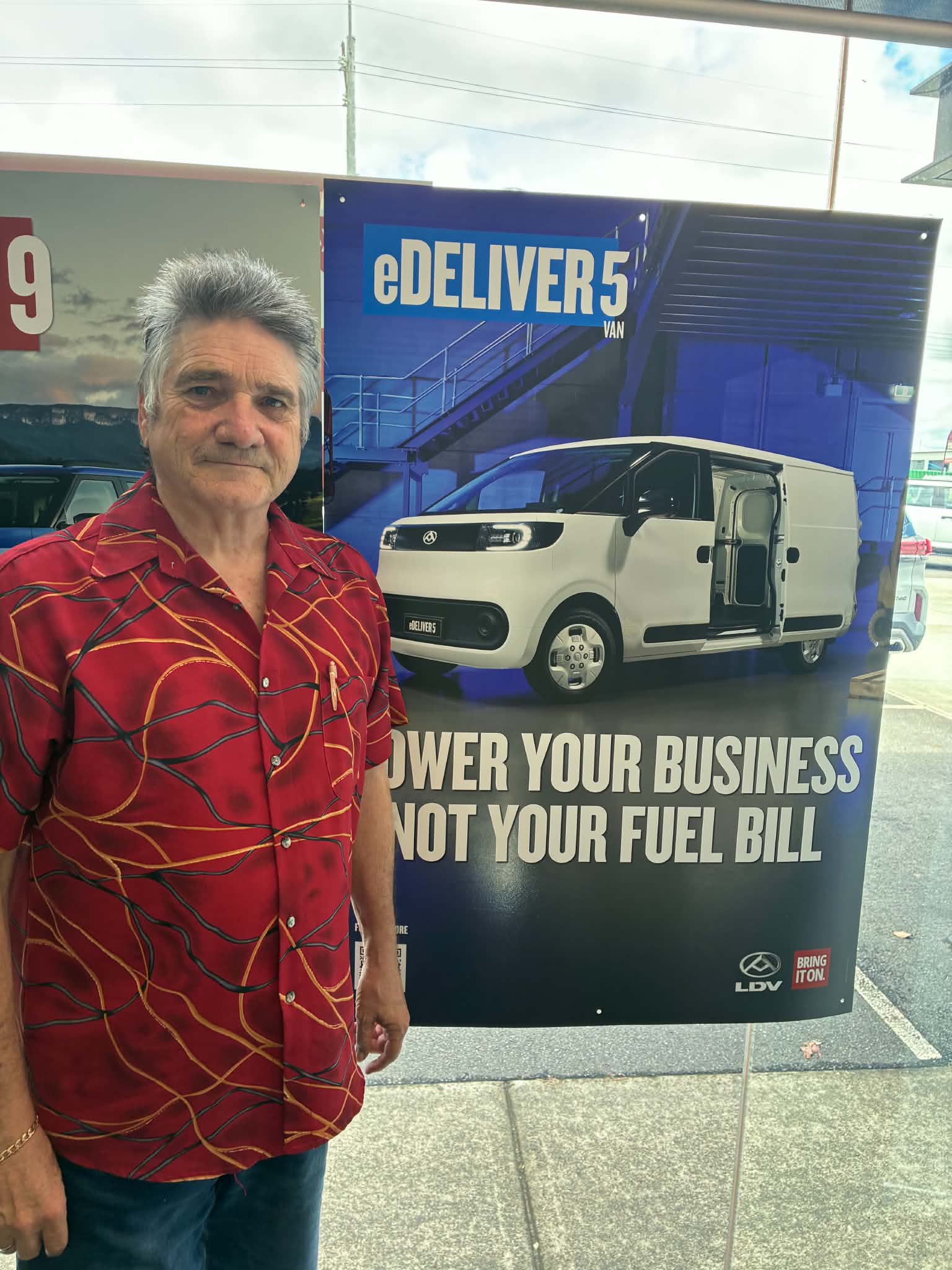
The second dealership also sold Geely. The lot was full of them, and the rep told us several times how fast the Geely EX2 and EX5 were selling. Thank you, President Trump, and Supreme Leader Khamenei. Sales of Geely in Australia have doubled since the war started!
Anyway, back to the LDV eDeliver 5. For the curious, LDV stands for Leyland DAF Vans. After the collapse of British Leyland, the brand was sold to SAIC (along with MG). Since the eDeliver 5 launch in July, 77 units have sold in Australia. I felt that the number should be higher, agreeing with the comment found under the PV5 article: “High mileage work vehicles are the first frontier for EVs, not the last. That’s where there is the most financial benefit.” Sadly, though, commercial vans which work so hard around the suburbs, especially near Christmas, have been the slowest segment to electrify in Australia.

Another commentator made the valid point: “Business and fleet vehicles have consistent, predictable daily mileage, high daily mileage, thus huge annual battery utilization (therefore huge fuel savings), they don’t burn a ton of expensive fuel, and are purchased by financially rational decision makers.”
So, why aren’t more electric vans being bought in Australia? Running costs are lower, they are more comfortable, and the sticker price is now below price parity. Daniel and I had a fruitful discussion and came to the conclusion that the main thing stopping electric vans from being taken up in large numbers by fleet operators was the issue of the “fuel card.” It is complicated on the road because of multiple apps and providers, and even more if the van driver charges at home. How do we reimburse for home charging?
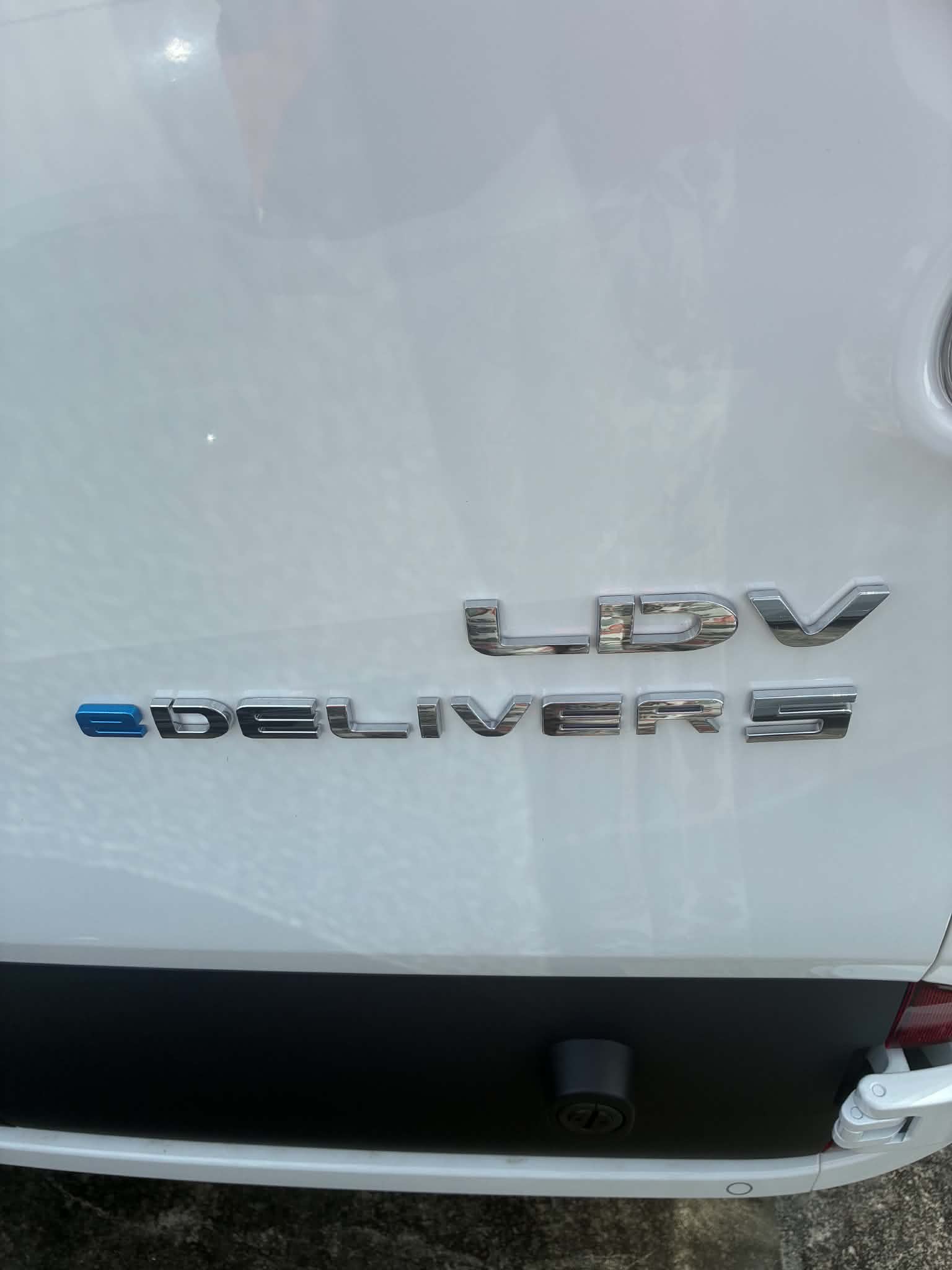
Surely this hurdle is not that hard to surmount — especially for contractors and owner operators. We’ll see as fuel insecurity in Australia continues. One owner reported back to Daniel that he has spent AU$3,000 to charge his eDeliver 5 over the past 50,000 km, compared with a diesel fuel bill of AU$14,000 for his old diesel van over the same distance. “Even if I sold the LDV van for nothing after 5 years, I would still be ahead.”
Apparently, some couriers are doing 500 km a day around the Brisbane suburbs. With a range of 320 km from its LFP batteries, the eDeliver 5 would have to top up during the day. Near our home in the northern suburbs of Brisbane, some service stations have installed high-speed chargers (BP Pulse is one example). I very rarely see anyone charging there. Perhaps that’s the charging that will be used by electric delivery vans. LDV also makes larger models, the eDeliver 7 and 9.

Daniel usually only sells 2 vans a year. He tells me that he has sold 5 eDeliver 5’s in the past 6 weeks! August to November is their peak time for sales. The tide is indeed changing. The diesel Deliver 5 is $AU 10 – 12 thousand cheaper than the electric. But with the large kilometres they drive it would not be long before this difference was covered by fuel savings. The eDeliver has V2L, putting out 6.6 kWh charge, for added convenience. One local customer runs a fridge in the back of the van from the V2L.
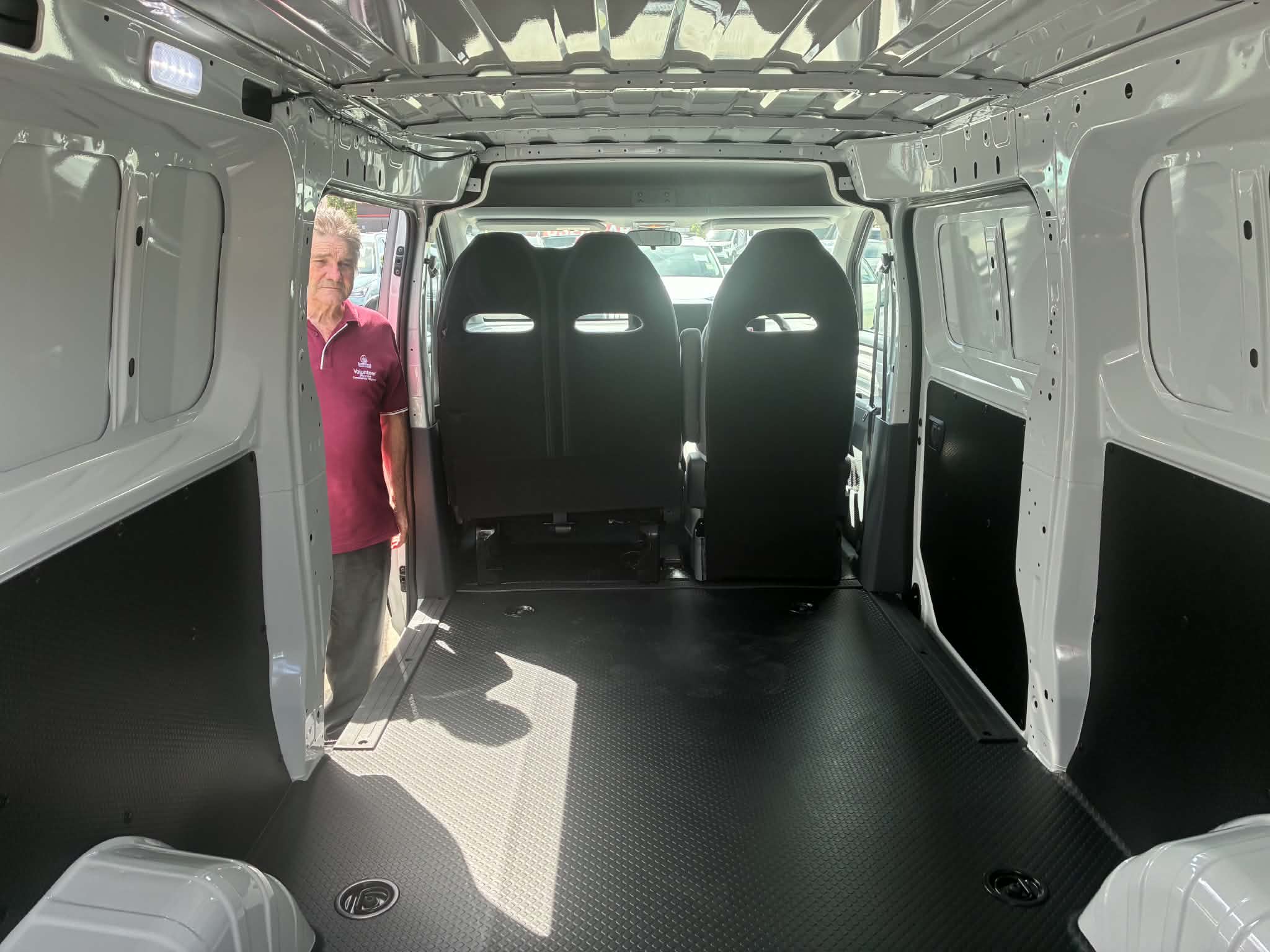
As an example of the effect of the Iran/USA war, Daniel told us of a customer who bought a new diesel ute 3 weeks before the war started and then came back and wanted to trade it in. He even offered his wife’s car as part of the deal. But the numbers just wouldn’t add up.
Service costs roughly $735 every two years or 30,000 km on the eDeliver 5. Compare this with the Toyota HiAce. The diesel needs a service every 10,000 km. Daniel tells me that during EV service, they check the oil in the gearbox and the coolant for the battery. “Couriers like the power on/off button. A lot of people are screen scared.” The eDeliver 5 has a fob, it is a cheaper option than connectivity.
Of course, a Facebook page has been started. I joined it seeking more real-life experiences.
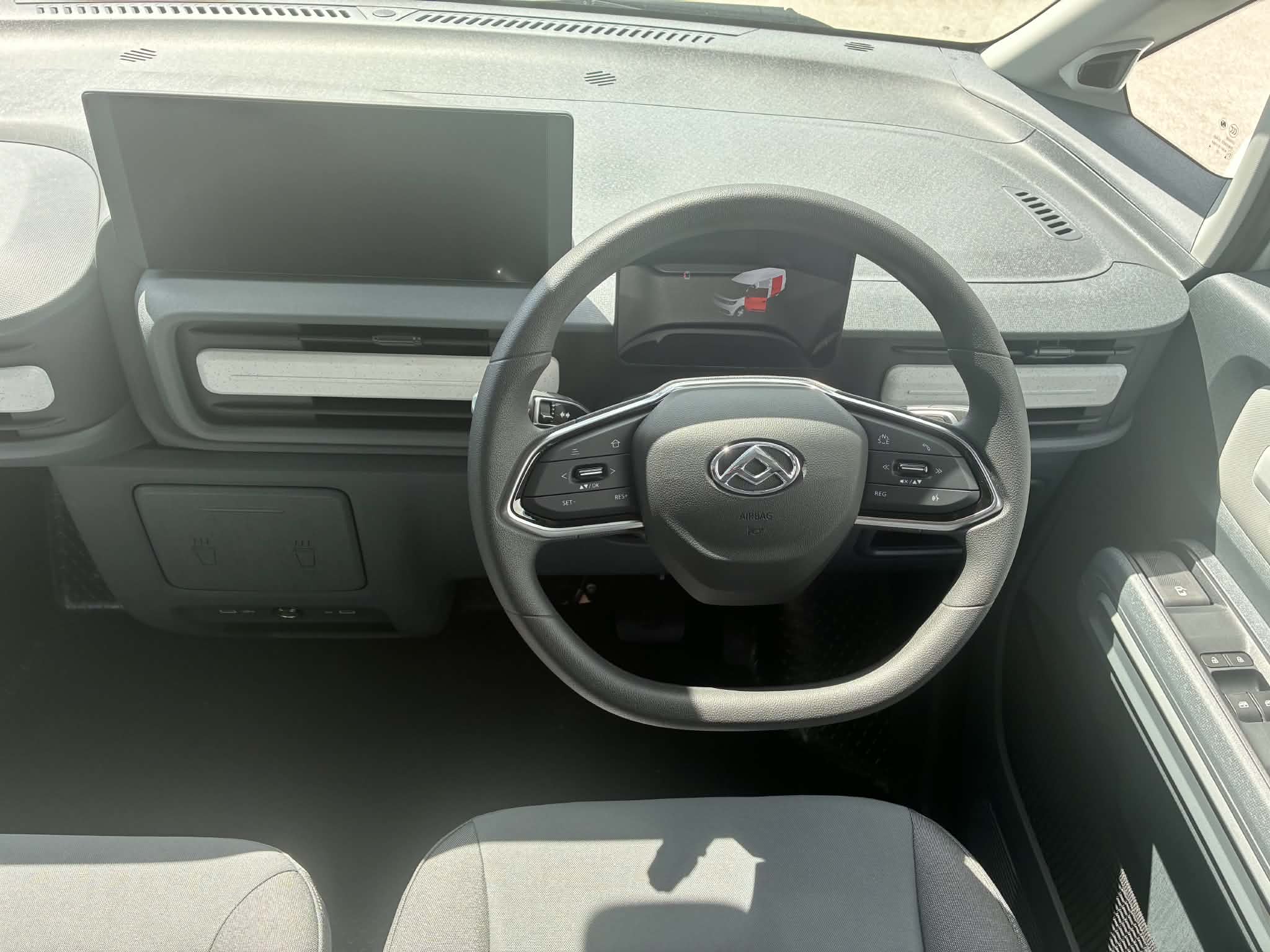
“I have one that I’ve been driving for a month now. I use it for work and have tools in the back, so the weight of the car is 2.4tonne. With driving around town (mostly city and some highway). I get around 250kms before I have to charge again from about 10%.
“It’s a great ride and very comfy. I do maybe 100kms per day, so charge every second or third. Works great for me.”

“There has been a seismic shift in consumer behaviour due to recent geo-political tensions, fuel insecurity, and surging diesel costs,” said Dinesh Chinnappa, the general manager of LDV Australia. “With that in mind we brought forward our plans to introduce the LDV eDeliver 5 to the Australian market, which is why stock will initially be limited.”
You can check out the specs here. Of course it has all the safety features you would expect. For those who like to watch, check out the video review of the eDeliver 7.
There are several small cargo vans now available on the Australian market. I will endeavour to check out a few more and report back to CleanTechnica readers. As we hurtle towards Christmas and the online orders increase, I expect to see many more electric Santas delivering parcels to front doors in the suburbs of Brisbane.
Sign up for CleanTechnica’s Weekly Substack for Zach and Scott’s in-depth analyses and high level summaries, sign up for our daily newsletter, and follow us on Google News!
Have a tip for CleanTechnica? Want to advertise? Want to suggest a guest for our CleanTech Talk podcast? Contact us here.
Sign up for our daily newsletter for 10–15 new cleantech stories a day. Or sign up for our weekly one on top stories of the week if daily is too frequent.


CleanTechnica uses affiliate links. See our policy here.
CleanTechnica’s Comment Policy