
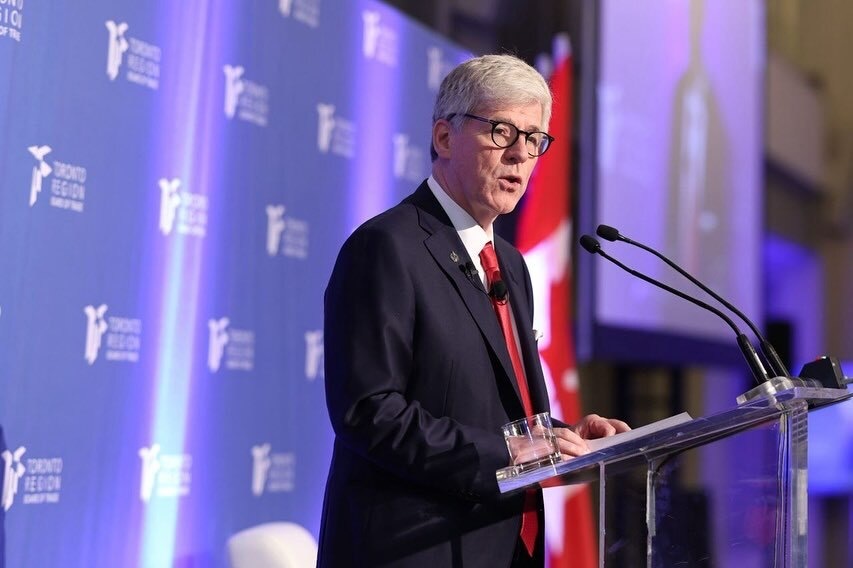
The global mining industry could be entering one of the largest investment supercycles in its history, according to Canada’s energy minister, reflecting growing demand for critical minerals and the expanding role of natural resources in the global economy.
The potential investment boom comes as countries accelerate efforts to strengthen supply chains for minerals essential to electric vehicles, renewable energy, advanced manufacturing, defence technologies and digital infrastructure. Copper, lithium, nickel, cobalt and rare earth elements are increasingly viewed as strategically important resources for the energy transition and future industrial development.
A mining investment supercycle generally refers to an extended period of strong capital expenditure, rising demand and significant expansion in mining and mineral-processing capacity. If the anticipated cycle materialises, it could lead to new mine development, the expansion of existing operations, greater exploration activity and increased investment in transportation and energy infrastructure.
Critical Minerals at the Centre of Global Competition
The growing importance of critical minerals is reshaping investment priorities across major economies. Governments and companies are seeking to diversify supply sources, reduce dependence on concentrated production networks and secure reliable access to materials needed for industrial growth.
Copper is particularly important because of its use in electricity grids, power generation, data centres and electric vehicles. Lithium and nickel remain significant inputs for various battery technologies, while rare earth elements are essential for certain permanent magnets, electronics and defence applications.
These trends are encouraging mining companies to assess projects that may have previously struggled to attract financing. However, the development of new mines can take years and depends on factors such as regulatory approvals, environmental assessments, infrastructure availability and access to skilled labour.
Canada’s Opportunity in the Mining Boom
Canada is well positioned to seek a larger role in the emerging investment cycle because of its mineral resources, established mining sector and potential to expand domestic processing capacity. Investment in exploration, extraction, refining and downstream manufacturing could support employment, regional development and stronger industrial supply chains.
The country’s ability to attract capital will depend on whether mining projects can secure timely approvals, reliable infrastructure, competitive energy supplies and long-term commercial commitments from buyers.
Canada also faces the challenge of balancing economic growth with environmental protection, Indigenous rights and community consultation. These considerations are increasingly important for investors evaluating the financial and social sustainability of large mining projects.
Challenges Could Slow the Investment Wave
Despite the positive outlook, a historic investment supercycle is not guaranteed. Commodity-price volatility, high project costs, geopolitical tensions, interest rates and uncertainty over future demand could delay investment decisions.
Mining projects also face technical and operational risks, including declining ore grades, water availability, energy requirements and the need to manage environmental impacts. Companies will need to demonstrate that proposed investments can remain commercially viable over long development periods.
For investors, the central question is whether demand for critical minerals will grow quickly enough to justify the substantial capital required to bring new supply online.
Outlook: A Defining Period for the Mining Sector
If the anticipated investment supercycle gains momentum, it could reshape the global mining landscape over the coming decade. Countries with significant mineral reserves, reliable regulatory systems and the ability to develop processing infrastructure may gain a competitive advantage.
For Canada and other resource-rich economies, the opportunity extends beyond extracting raw materials. Developing domestic refining, mineral processing and advanced manufacturing capabilities could help capture more value from mineral resources.