

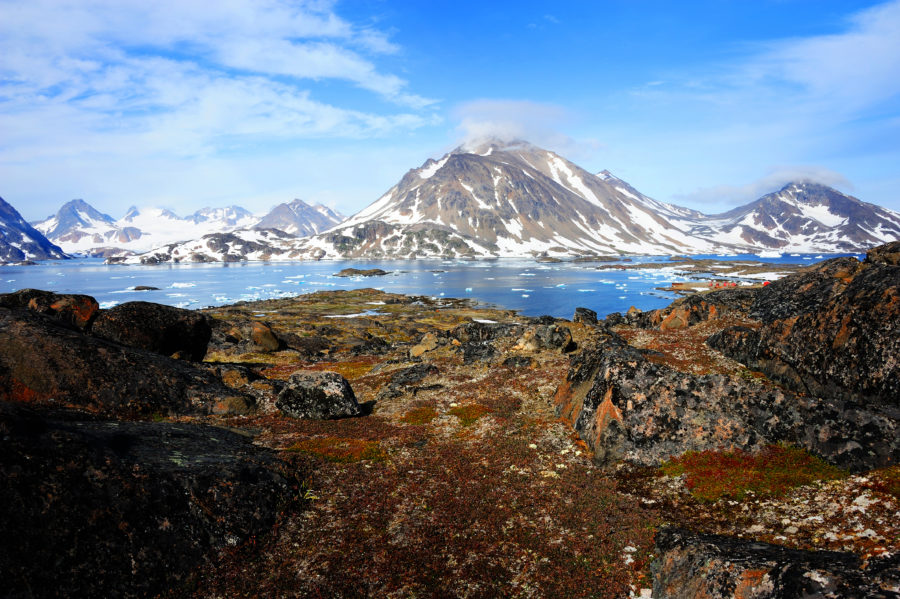
Nuuk: Greenland’s parliament has unanimously backed a proposal to introduce a temporary ban on deep-sea mining and exploration until at least the end of 2029, marking a significant step towards protecting the Arctic territory’s fragile marine environment.
The resolution, adopted on October 15, 2026, calls on the Greenlandic government to draft legislation prohibiting seabed mining. The proposed ban could be extended in two-year increments, depending on future decisions. However, the parliamentary resolution does not immediately establish a legally binding ban. The government has indicated that it plans to introduce a bill during the spring 2027 parliamentary session.
Environmental Protection and Fishing Industry Concerns
The proposed measure reflects growing concerns about the potential environmental consequences of extracting minerals from the seabed. Deep-sea mining can disturb marine habitats, threaten biodiversity and affect ecosystems that remain insufficiently studied.
Fishing is a major pillar of Greenland’s economy, while hunting remains essential to the livelihoods and cultural traditions of many local communities. Environmental organisations have welcomed the parliamentary move, arguing that the protection of ocean ecosystems must take priority until the risks associated with deep-sea mining are better understood.
WWF Greenland described the decision as an important step towards safeguarding the ocean, nature and local livelihoods.
Greenland’s Mineral Wealth and Economic Challenges
Greenland is believed to possess substantial mineral resources beneath its land and surrounding seabed. These resources have attracted international interest because minerals are increasingly important for advanced technologies, defence industries and the global energy transition.
At the same time, Greenland faces an economic dilemma. Developing its natural resources could generate revenue, attract investment and potentially support its long-term ambition for greater independence from Denmark. Restricting seabed mining, however, would limit one potential avenue for resource development.
International Interest in Greenland’s Natural Resources
The parliamentary decision comes amid renewed international attention on Greenland’s strategic location and mineral wealth. US President Donald Trump recently said that large-scale oil, gas and mineral exploration was preparing to begin on the island. Danish authorities have stressed that any resource exploration must comply with Greenlandic laws.
Greenland had already halted the issuance of new oil and gas exploration permits in 2021. The proposed seabed mining restriction would further signal the territory’s cautious approach to exploiting its natural resources.
What Happens Next?
The Greenlandic government is expected to prepare legislation for consideration by parliament in 2027. Until the bill is introduced and enacted, the proposed moratorium should not be treated as an operative legal ban.
The decision highlights a growing global debate over balancing critical mineral demand, economic development and environmental protection. For Greenland, the challenge will be to safeguard its Arctic waters and fishing-dependent communities while considering the economic opportunities offered by its mineral wealth.