
China’s Rare Earth Exports Rise 6.7% in September Year-on-Year, Signalling Shifts in Global Supply

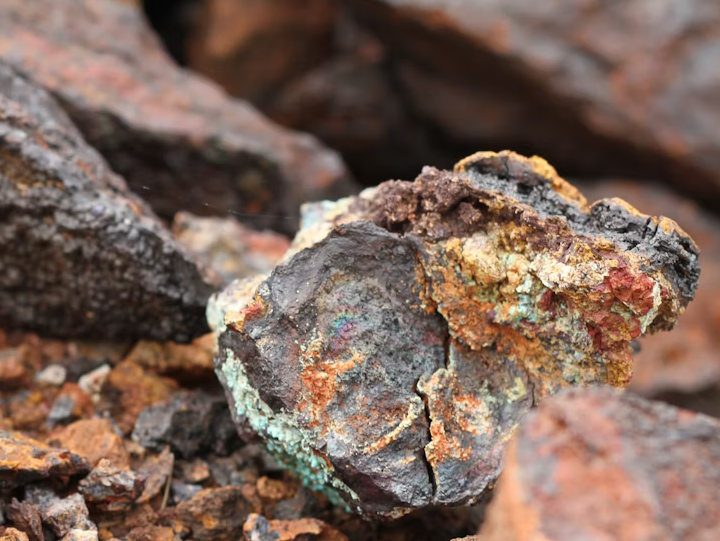
Beijing: China’s rare earth exports increased by 6.7% in September compared with the same period a year earlier, highlighting the country’s continued importance in the global supply chain for critical minerals. The increase comes amid growing international demand for rare earth elements used in electric vehicles, renewable energy technologies, electronics and advanced defence systems.
China occupies a central position in the global rare earth industry, with a significant role in mining, separation and processing. Changes in its export volumes can influence manufacturers and industrial supply chains worldwide, particularly as major economies seek to secure reliable access to critical raw materials.
Rare Earth Demand Remains Strong
Rare earth elements are essential components in numerous modern technologies. They are widely used in permanent magnets, electric vehicle motors, wind turbines, consumer electronics, robotics and other advanced industrial applications.
As countries accelerate investments in clean energy, electric mobility and high-tech manufacturing, demand for several rare earth materials has gained strategic importance. The latest reported increase in Chinese exports may provide additional supplies to international buyers, although the overall market impact will depend on the specific elements exported and demand conditions.
China’s Dominant Role in the Global Market
China remains a major force in the rare earth supply chain, particularly in processing and the production of rare earth magnets. This position gives its trade policies and export performance considerable influence over global availability and pricing.
Several countries, including the United States, Japan and members of the European Union, have been working to diversify their sources of critical minerals. These efforts include developing domestic mining and processing facilities, building strategic partnerships and investing in recycling technologies.
Despite these initiatives, reducing dependence on established Chinese supply chains remains a significant challenge because rare earth processing requires specialised technology, substantial capital investment and environmental safeguards.
Implications for Manufacturers and Commodity Markets
Higher export volumes could support manufacturers that rely on imported rare earth materials, potentially easing some supply concerns. However, a 6.7% year-on-year increase alone does not establish whether the global market is experiencing a surplus or whether prices will decline.
Market conditions also depend on domestic Chinese demand, international purchasing activity, export regulations, inventories and the availability of individual rare earth elements.
Industries producing electric vehicles, wind turbines, electronics and high-performance magnets will continue to monitor Chinese trade data for signs of changing supply conditions.
Global Supply Chain Diversification Remains a Priority
The latest export figures highlight the importance of China’s role in the critical minerals market while reinforcing the need for more diversified supply chains.
Governments and businesses are increasingly exploring alternative suppliers, recycling rare earth materials and investing in advanced processing capabilities. These strategies aim to reduce exposure to potential supply disruptions and strengthen long-term industrial resilience.
Conclusion: China’s reported 6.7% rise in rare earth exports in September compared with a year earlier underscores its continued significance in the global critical minerals trade. The development could influence supply availability for technology and clean energy manufacturers, while the broader market outlook will depend on future export trends, demand growth and international efforts to diversify sourcing.