

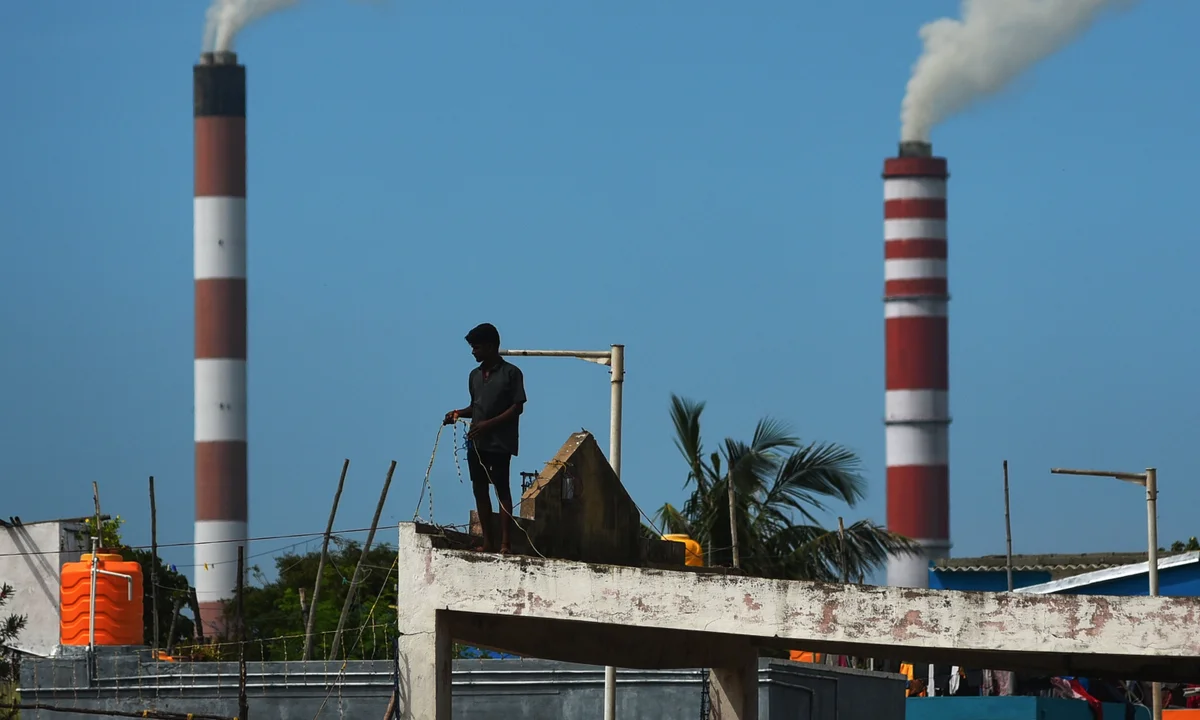
NEW DELHI: Power disruptions affecting industrial facilities in India are highlighting the economic risks associated with coal supply constraints and electricity shortages. As factories depend on reliable power to maintain production schedules, interruptions can increase operating costs, delay deliveries and put pressure on industrial output.
Coal remains a major source of electricity generation in India, making the availability of adequate fuel supplies critical to the country’s manufacturing sector. Any mismatch between coal demand, transportation capacity, power plant inventories and electricity requirements can place additional pressure on the power system, particularly during periods of elevated consumption.
Factory blackouts can have consequences extending beyond the immediate loss of electricity. Manufacturers may experience production delays, equipment shutdowns, raw material wastage and higher expenses when switching to diesel generators or other backup power systems. Smaller industrial units, which often operate with limited financial flexibility, can be particularly vulnerable to these disruptions.
Coal Supply Challenges Put Industry Under Pressure
India’s coal-based power generation system depends on a complex supply chain involving domestic mining, railway transportation, fuel inventories and power plant operations. Disruptions at any stage can affect the availability of coal at generating stations.
Coal shortages may emerge when electricity demand rises faster than anticipated, transportation capacity becomes constrained, or power plants struggle to maintain sufficient inventories. Domestic coal production, imports and logistics therefore play important roles in maintaining the stability of electricity supplies.
The impact on factories depends on the region, the electricity distribution network and the extent to which industrial consumers have access to uninterrupted power arrangements. Localised outages do not necessarily indicate a nationwide electricity shortage, but recurring disruptions can undermine business confidence and productivity.
Manufacturing Costs and Economic Consequences
Electricity is a critical input for sectors such as steel, textiles, chemicals, engineering, cement, food processing and automotive manufacturing. Even brief interruptions can disrupt continuous production processes and increase the cost of restarting machinery.
For energy-intensive industries, unreliable electricity supplies may also affect product quality, delivery commitments and export competitiveness. Businesses could face additional costs from backup generation, overtime, delayed shipments and idle labour.
If power disruptions persist, manufacturers may be forced to adjust production schedules or pass higher operating costs on to customers. These pressures can contribute to inflation in selected goods and reduce the competitiveness of businesses operating on tight margins.
Small and medium-sized enterprises may face greater challenges because installing backup power infrastructure or absorbing repeated production losses can place considerable strain on their working capital.
India’s Energy Security Challenge
India has made significant investments in renewable energy, including solar and wind power. However, coal continues to provide an important share of the country’s electricity, particularly because it supports large-scale power generation and can operate independently of immediate sunlight or wind conditions.
Expanding renewable energy capacity can reduce dependence on coal over time, but reliable electricity supplies also require adequate transmission infrastructure, energy storage, flexible generation and effective demand management.
Improving coal mine productivity, strengthening railway connectivity, maintaining appropriate fuel inventories and coordinating electricity demand forecasts with power generation could help reduce the risk of supply disruptions.
Industrial consumers can also benefit from energy-efficiency improvements, rooftop solar installations, battery storage and better contingency planning, although these options involve investment and may not be practical for every facility.
Government and Industry Face Pressure to Strengthen Reliability
For policymakers, the challenge is to balance affordable electricity, reliable industrial supply, environmental objectives and the country’s expanding energy needs.
Better coordination among coal producers, railway operators, power generators and electricity distribution companies could improve the movement of fuel to plants where it is most urgently required. Transparent reporting of coal inventories and regional power availability can also help industrial consumers prepare for potential disruptions.
Longer-term measures will need to focus on diversifying the energy mix, upgrading the grid and reducing the vulnerability of factories to sudden interruptions.
Outlook: Will Power Disruptions Affect Industrial Growth?
The economic consequences will depend on the scale and duration of the reported blackouts, the regions affected and the underlying causes of the electricity disruptions. Temporary outages may have limited effects, while repeated or prolonged interruptions could weigh on industrial production, business sentiment and supply-chain performance.
India’s manufacturing ambitions depend not only on expanding production capacity but also on ensuring that factories have access to dependable and competitively priced electricity.
Conclusion: Power disruptions associated with coal supply pressures underline the close connection between energy security and economic performance. Strengthening fuel logistics, maintaining adequate coal inventories, modernising electricity infrastructure and accelerating the development of reliable alternative energy sources will be essential to protecting industrial productivity.