

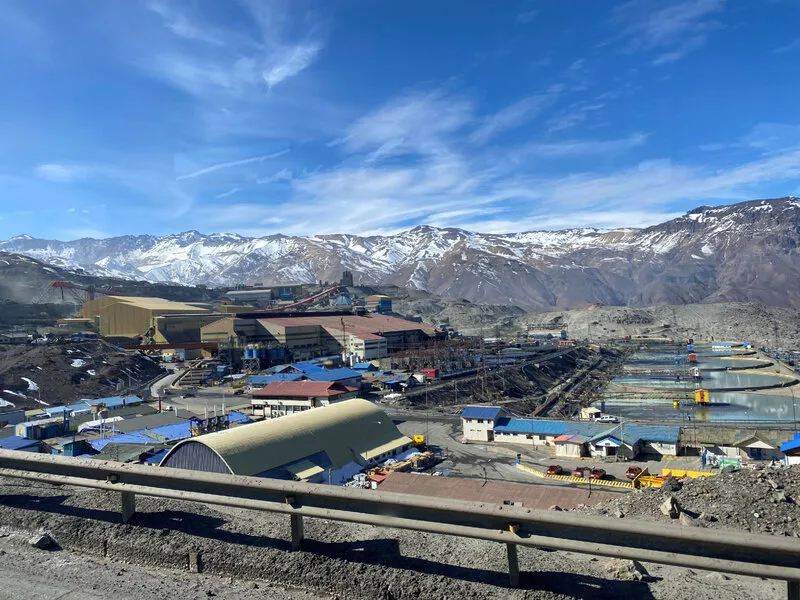
SANTIAGO, Chile: Chile’s El Teniente copper mine has partially suspended operations following a fatal landslide, highlighting the safety risks associated with large-scale mining and raising concerns about possible disruptions to copper production.
El Teniente, operated by state-owned mining company Codelco, is one of the world’s largest underground copper mines and a strategically important asset for Chile’s mining industry. Any interruption to its operations can attract close attention from copper producers, traders and industrial consumers because of the mine’s contribution to global supply.
The partial suspension is intended to address operational and safety concerns following the incident. The extent of the disruption, the duration of the restrictions and the timeline for a return to normal operations will depend on assessments of the affected area and the measures required to ensure safe working conditions.
Worker Safety in Focus
Mining operations, particularly large underground facilities, face a range of geological hazards, including rockfalls, landslides and ground instability. Such incidents can pose serious risks to workers and damage critical infrastructure.
Following a fatal accident, mine operators typically assess ground conditions, inspect affected areas and review safety procedures before authorising the resumption of restricted activities. Investigations may also examine the circumstances surrounding the incident and whether additional preventive measures are necessary.
The incident at El Teniente underscores the importance of geological monitoring, risk management, emergency preparedness and strict adherence to workplace safety standards in complex mining environments.
Potential Impact on Copper Production
The partial suspension could affect copper output depending on the areas impacted, the duration of operational restrictions and the availability of alternative production capacity within the mine.
Copper is a critical industrial metal used in electricity transmission, construction, renewable energy infrastructure, electric vehicles and electronics. Disruptions at major mines can influence market sentiment, particularly when supply is already constrained or demand expectations are strong.
However, the overall impact on the copper market will depend on the volume of production affected, the length of the suspension and conditions across other major producing regions. A partial shutdown does not necessarily translate into a significant reduction in global supply.
Chile’s Importance to the Global Copper Industry
Chile is one of the world’s leading copper-producing countries, making its mining operations central to international commodity markets. Codelco plays a major role in the country’s mining sector and is an important supplier to the global copper industry.
Operational challenges at large mines can also affect production targets, operating costs and investment decisions. For mining companies, balancing output with worker safety remains essential, particularly as increasingly complex deposits require sophisticated engineering and ground-control systems.
What Happens Next?
Attention will focus on the findings of the investigation, the condition of the affected mining areas and the timeline for restoring normal operations. Further clarity on production losses will be important for assessing the incident’s financial and market implications.
For copper traders and industrial buyers, the development serves as a reminder that supply risks can emerge from operational accidents as well as broader challenges such as declining ore grades, project delays and rising demand.
Conclusion: The fatal landslide at Chile’s El Teniente mine highlights the human risks associated with large-scale mining and the potential consequences of operational disruptions. While the immediate priority is worker safety and the investigation into the incident, the duration of the partial suspension will determine whether the event has a material impact on copper production and global market conditions.