
Rare Earth Recycling Could Bridge US Supply Gap as New Mines Face Long Development Timelines, Paladin Says

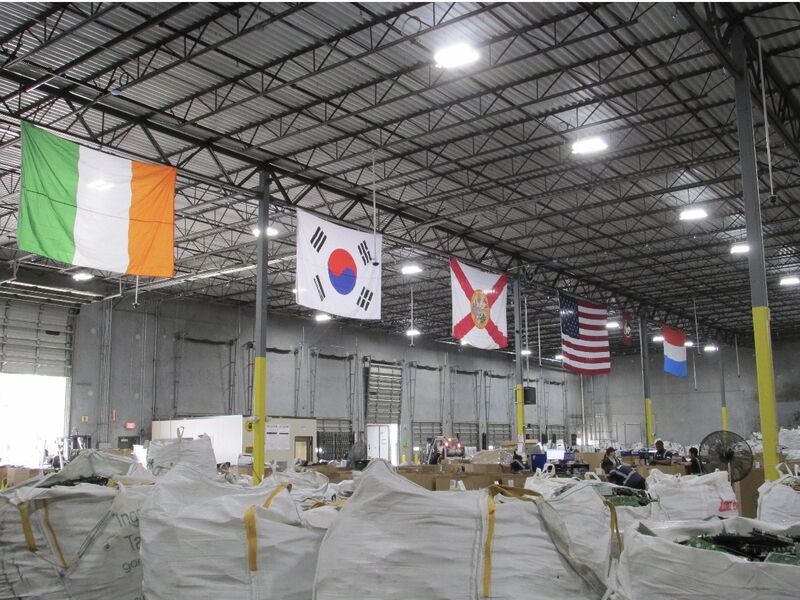
Washington: Rare earth recycling could play a crucial role in reducing the United States’ dependence on overseas supplies of critical minerals, as developing new mines and processing facilities can take years, according to a view attributed to Paladin.
The proposal highlights the growing importance of recycling as Washington seeks to strengthen domestic supply chains for minerals essential to advanced manufacturing, clean energy technologies and national security. While new mining projects remain important for long-term supply, recovering rare earth elements from existing products and industrial waste could provide an additional source of materials in the near term.
Recycling Offers an Alternative Source of Critical Minerals
Rare earth elements are a group of 17 metallic elements used in a wide range of modern technologies. They are particularly important in high-performance permanent magnets found in electric vehicle motors, wind turbines, robotics, consumer electronics and certain defence applications.
Recovering these materials from discarded electronics, end-of-life magnets, industrial waste and other suitable sources could help reduce the need for newly mined resources. Recycling may also improve resource efficiency by returning valuable materials to the manufacturing cycle.
However, the scale of its contribution will depend on the availability of recyclable material, collection systems, processing technologies and the commercial viability of recovery operations.
New Mines Face Lengthy Development Processes
Establishing a rare earth mine involves several stages, including exploration, feasibility studies, environmental assessments, permitting, infrastructure development and the construction of processing facilities. These steps can extend project timelines and delay the arrival of new supplies.
Mining alone is not sufficient to establish a secure supply chain. Rare earth ores must also be processed and separated into individual elements, a technically demanding stage that requires specialised facilities and expertise.
For the United States, expanding domestic mining and processing capacity while developing recycling infrastructure could help diversify supply sources and reduce exposure to disruptions in international markets.
Strategic Importance for US Manufacturing
Reliable access to rare earth elements has become an important economic and strategic priority as countries compete to secure materials for electric mobility, renewable energy, electronics and advanced defence systems.
A stronger recycling industry could create additional domestic supply, support specialised manufacturing and reduce the volume of valuable materials lost through disposal. It could also complement investment in new mines, mineral processing and alternative materials.
Nevertheless, recycling is unlikely to eliminate the need for primary mining. Some rare earth elements remain difficult or expensive to recover, while the quantities available for recycling depend on the amount of material previously used in products and the rate at which those products reach the end of their useful lives.
A Combined Strategy Could Strengthen Supply Security
The broader challenge for the United States is to build a diversified rare earth supply chain that can meet growing industrial requirements. Recycling, domestic mining, advanced processing technologies and international partnerships could all contribute to that objective.
If recycling capacity expands and becomes more commercially competitive, it could help narrow the supply gap while new mining projects progress through lengthy development stages. The approach offers a potential pathway towards a more resilient and sustainable critical minerals sector.