
Brazil’s Rare Earth Mine Highlights the Difficult Road to Breaking China’s Grip on Critical Minerals

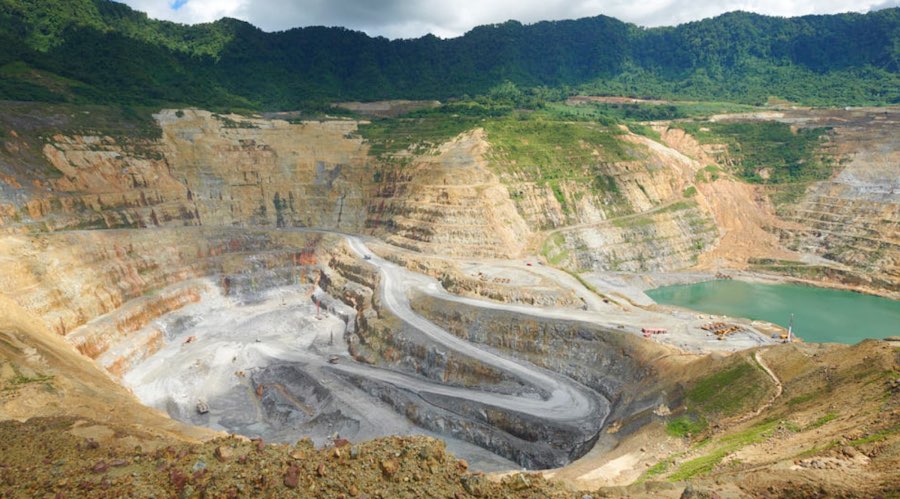
Brazil is emerging as a major potential alternative source of rare earth minerals as Western governments and companies seek to reduce their dependence on China. However, the experience of the Serra Verde Group’s Pela Ema mine in Goiás highlights how difficult it is to build an independent supply chain outside China’s dominant processing and magnet-making ecosystem.
Brazil Rare Earth Mine Shows Hurdles of Breaking Free From China
Brazil’s rare earth ambitions are attracting billions of dollars in investment, but mining the minerals is proving to be only the first step in a much more difficult battle to challenge China’s dominance of the global supply chain.
At the centre of this challenge is the Pela Ema rare earth mine in Goiás, operated by Serra Verde and regarded as one of the few significant commercial-scale sources outside Asia of critical magnetic rare earth elements. These materials, including neodymium, praseodymium, dysprosium and terbium, are vital for electric vehicles, wind turbines, advanced electronics and defence technologies.
The strategic importance of the project has attracted major international attention. In April, USA Rare Earth agreed to acquire Serra Verde in a $2.8 billion deal, strengthening efforts to build a mining-to-magnet supply chain outside China. The transaction followed significant U.S.-backed financing aimed at expanding alternative sources of rare earth materials.
However, Brazil’s growing mining capacity does not automatically translate into independence from China.
The biggest obstacle remains processing. Extracting rare earth-bearing material from the ground is only the beginning of a complex industrial process. The minerals must then be separated, refined into usable oxides, converted into metals and alloys, and eventually manufactured into high-performance permanent magnets.
China continues to dominate these downstream stages. This means that even if new mines in Brazil increase production, Western supply chains may still depend on Chinese or China-linked processing facilities until sufficient alternative capacity is developed. Serra Verde itself has faced production ramp-up challenges and difficulties related to the recovery and separation of heavy rare earth elements.
The challenge is not limited to technology. New processing plants require substantial investment, specialised expertise, reliable infrastructure and years of development. Brazil also faces regulatory and political questions over how much of its rare earth production should be processed domestically rather than exported as raw or semi-processed material.
Environmental and social concerns could add another layer of complexity. The expansion of rare earth mining has raised questions about land use, water management and the potential impact on protected and Indigenous areas. Brazil is therefore under pressure to balance its ambition to become a global critical-minerals powerhouse with environmental safeguards and local economic benefits.
Other projects are also moving forward. Viridis Mining and Minerals is developing its Colossus project in Minas Gerais and has indicated that it intends to focus on customers in the United States and Europe rather than China, illustrating the growing geopolitical competition for non-Chinese rare earth supplies.
The story of Brazil’s rare earth industry underlines a broader reality for the United States and its allies: breaking China’s grip on critical minerals requires far more than opening new mines. Building independent processing facilities, refining capacity, manufacturing plants, skilled workforces and reliable long-term markets will be equally important.
Brazil may possess the mineral resources needed to become a major player in the global rare earth race, but the Pela Ema project demonstrates that turning geological potential into a fully independent supply chain will be a long, expensive and technologically demanding process.