
Support CleanTechnica’s work through a Substack subscription, on Patreon, or on Stripe. Help us produce all of the high-quality, original content we publish week after week despite the challenges of content-scraping AI, antisocial media, inflation, and other hurdles.
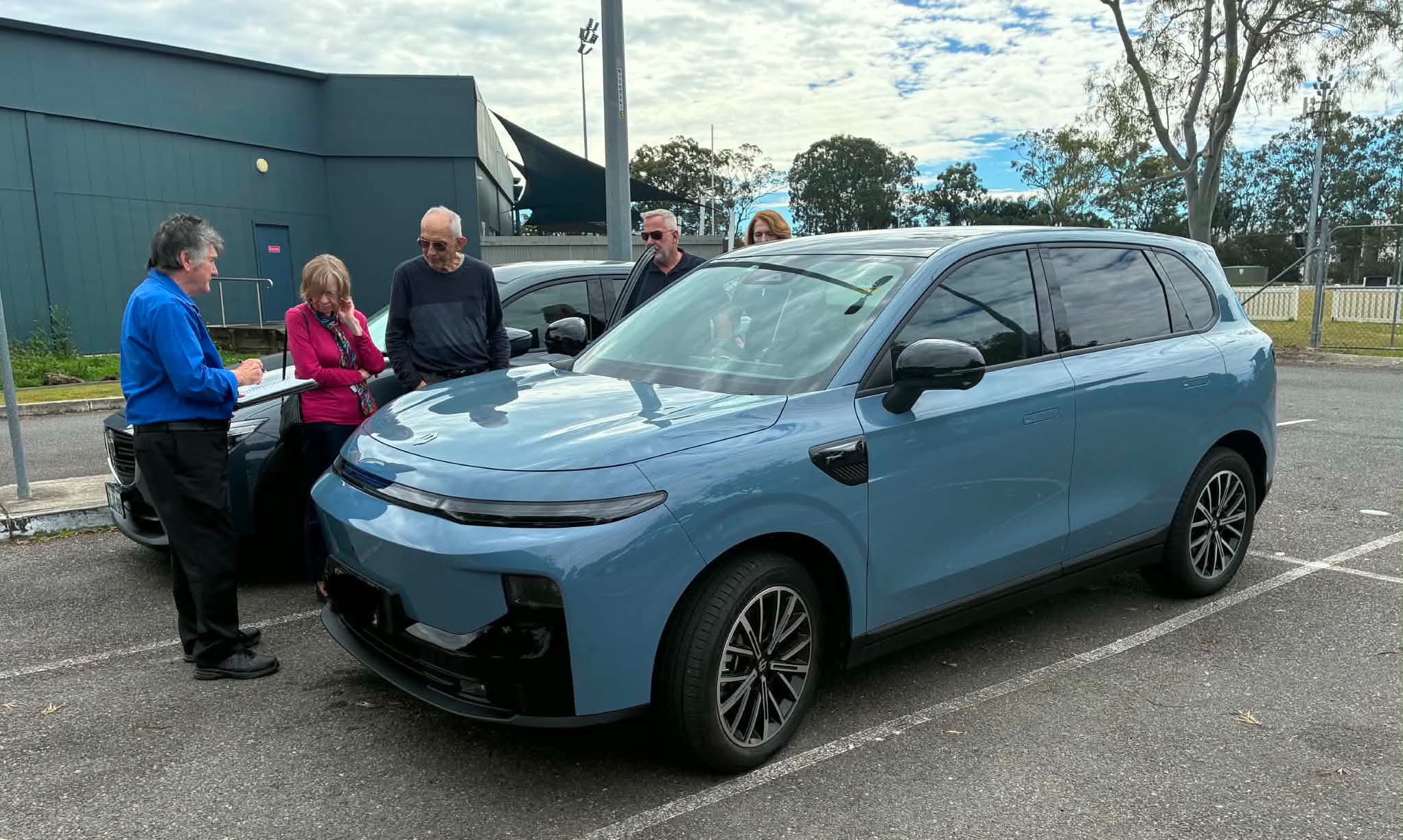
Making the decision to buy a new electric car can be a difficult decision. So, when I met the new owners of a Leapmotor B10 last month, I had to ask how they were about to handle the major changes of going from a long life with petrol to not only a battery electric vehicle, but a brand-new Chinese one at that. Australians now have a huge range to choose from. How do you choose and who on earth is Leapmotor? And why did you buy one of those?
For those CleanTechnica readers who don’t know, Leapmotor has Stellantis as a major shareholder. It is the 5th best selling brand in China. CleanTechnica has already published about the Leapmotor C10, which was launched in Australia last year.
Here is the story of two octogenarians and their entry into the brave new world of BEV ownership. Take it away, George:
In July 2026, we (my wife and I, a retired couple in our early 80s) bought a Leapmotor B10 Design. We went to the EV owners meeting in August, where we met David, who said he was interested in the background as to what led us to this decision. Hence this article.
You’d think buying a car at our age would be a carefully calibrated decision. Well, you can decide.
Our previous car was a Subaru Forester which we’d owned for 16 years (preceded by another Forester for 5 years), so we weren’t exactly regular updaters of our wheels. We were very happy with the Forester, but after 230,000 odd km, it finally got some mechanical problems that needed serious expenditure to fix, reasonably urgently. Damned inconvenient really. We’d thought the Forester may well see us out — we live in a retirement community and have plenty of reminders that the horizon on our expected driving days (never mind our expected living days!) is getting ever more sharply defined.
So, the first thing we thought about was whether we should just be looking for the cheapest possible little run-around, which would likely be a used ICE vehicle, to serve our current quite modest driving needs of 5,000 km or so per annum. But, after having got over the irritation of having to think about a new car at all, we decided that line of thinking was all a bit gloomy and that if we’re going to change cars, we might as well get something we’d enjoy, at least within a budget of AU$40,000, give or take, that we were willing and able to allocate.
So, we needed to set some criteria as to what to look at. An immediate major decision was to go electric as our small contribution to fossil fuel use reduction. The second decision, which reflected our liking for the Forester, was that we should look for a small to medium SUV style car — we like having slightly higher seating and higher clearance. Other Forester characteristics we wanted to retain were a tight turning circle and good luggage capacity (we don’t envisage too much more camping, but we might need room for wheelie-walkers!) Also, a flat floor to the luggage space. An initial constraint was that we didn’t have access to a privately metered power point in our garage and we didn’t want to be reliant purely on public charging stations. So that meant looking at HEVs rather than EVs.
It turned out there were a few HEVs that more or less fitted the bill — from Toyota, Kia, Chery, Honda and others. We sat in several and mostly they didn’t appeal for one reason or another but we did quite like the Toyota Corolla Cross and took it on a test drive which we also liked. It met our criteria pretty well and we were very close to deciding. But then I saw an ad for a Leapmotor B10 hybrid where the drive is all electric and the small petrol motor is there as a generator to keep the battery charged and so extend its range considerably. I liked the thought of that – it is more of an ev than the Corolla which is more a petrol car augmented by an electric motor. I found the dealer for Leapmotor and went to take a look. It turned out the hybrids weren’t yet in the country, but we were shown the EV version, which we were told is essentially identical apart of course from the petrol motor component. The layout and the feel of the B10 appealed greatly to me, but I set it aside in my thinking, as we didn’t want to wait several more months for the hybrids to arrive. So, we were on the verge of buying a Corolla.

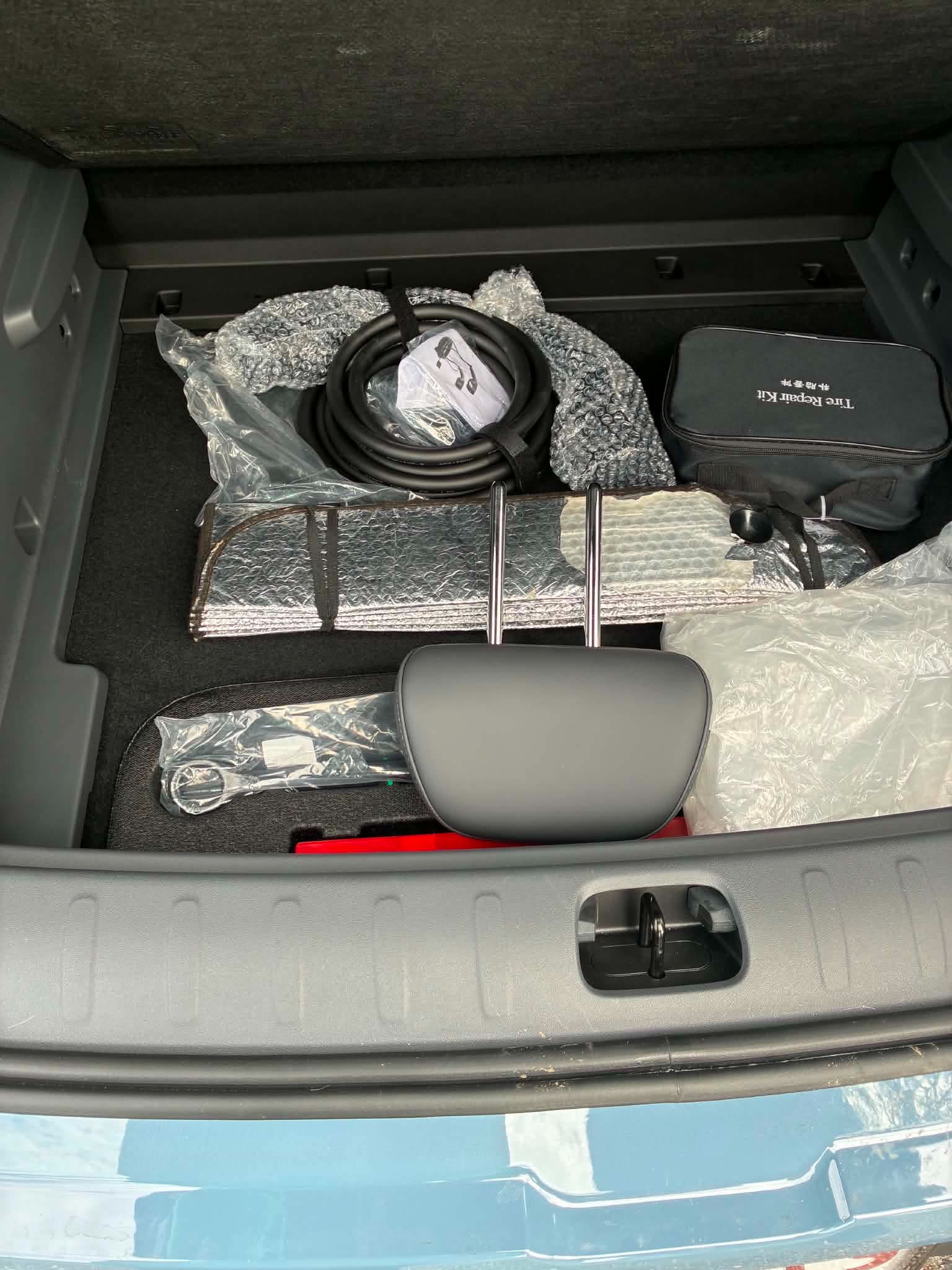
Well, here is where the decision making veered off the strictly orderly path. To our surprise, the retirement village made a clarification of policy that allowed people to charge an EV at their garage power points. That prompted us to go back to Leapmotor and take a test drive of the B10 EV. Both of us liked the car greatly. It was a much more exciting switch for us than the Corolla! We didn’t worry about the absence of a spare tyre — the Corolla also only had a kit. We shrugged off the absence of a rear window wiper.
The warranty period and fixed maintenance cost schedule were okay. But there were several major aspects of running the B10, assessable only through experience: how would we adapt to car controls accessed mainly through a multi-layer screen; given Leapmotor has only a small presence, what is the quality of support and service; how reliable is such a fairly new brand? What is the rate of depreciation on a relatively unknown EV. Despite Toyota having a clear a priori edge in regard to questions about support, etc., we went with our hearts. I guess we’ll find out the wisdom of that in due course! We’ve only done just under 500 km in a month and a bit. This limited travel means we don’t really know what the car is like in, say, bad weather or on a country highway or country byway. But we’ve been happy with it in our day-to-day city use.
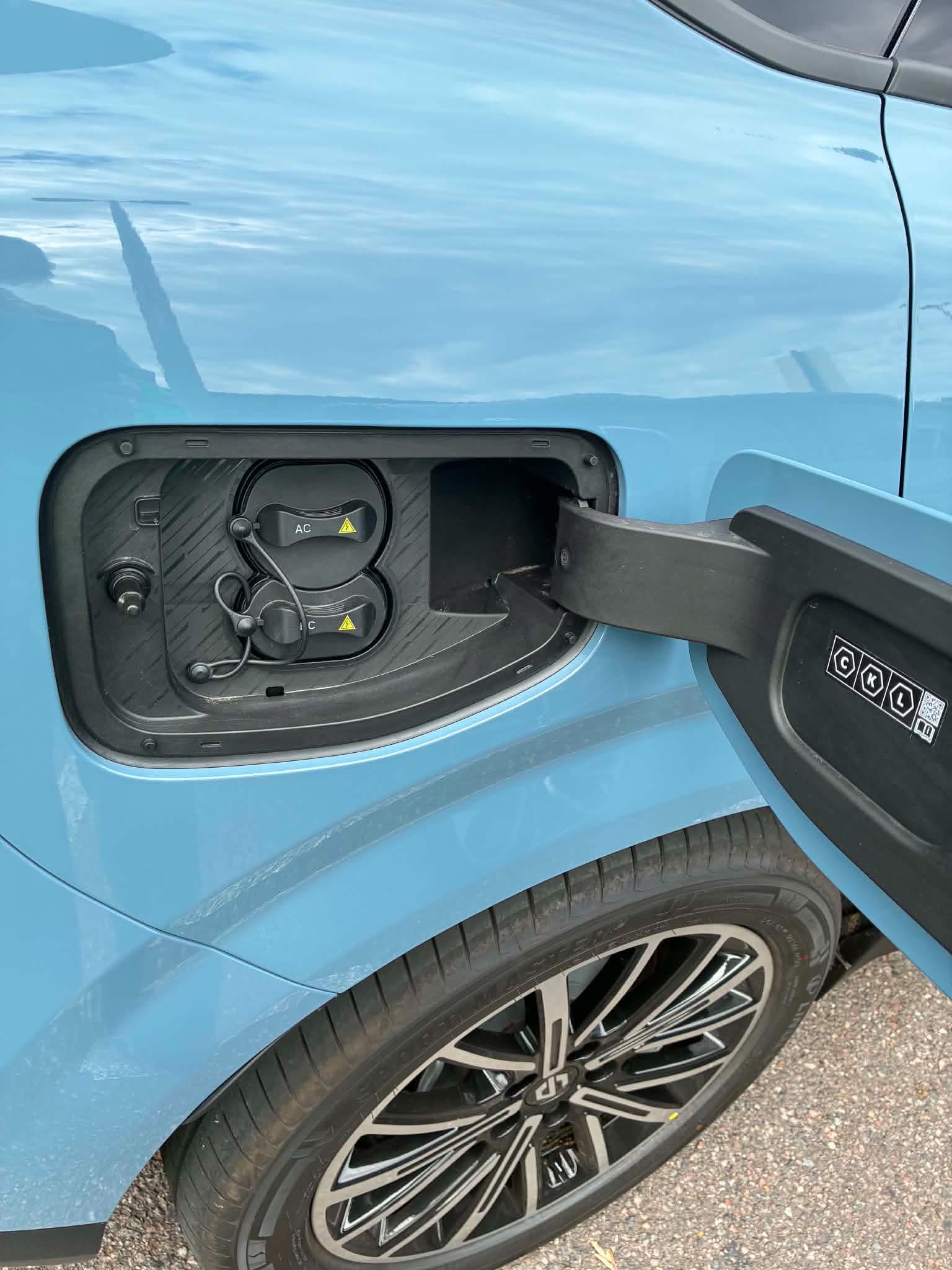
I asked for his wife’s view as well. Jeanette likes the car very much — she finds it a comfortable, quiet, smooth drive. She likes the ability to get a bird’s eye view when parking. It’s got a very smooth driver seat adjustment (but no facility for different regular drivers to “remember” their settings; that’s not a big deal, though, as the adjustment mechanism is so easy).
And how they found regen braking:
“I’ve not got any insights for you about one-pedal driving, as we don’t use that setting. We use the strong regenerative braking setting, along with comfort steering and comfort acceleration settings for our drive setting.
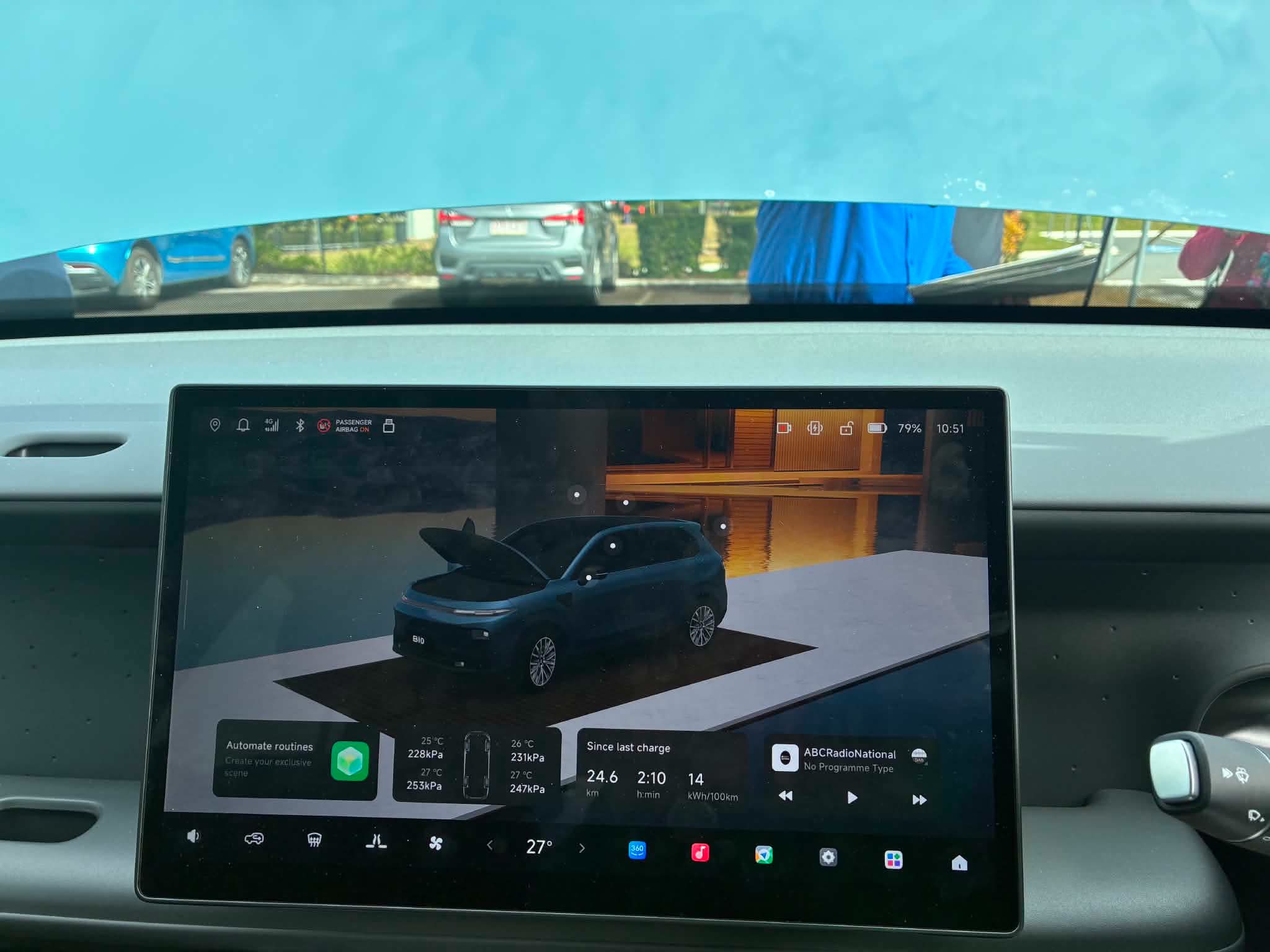
“We’ve not found the screen menu instead of knobs a problem. It’s a nice big screen which you can work through methodically. Even if you forget where a specific setting is, which I do, you can search again without too much problem. And there are some buttons on the steering wheel that can be set to specific functions. For example, we have one that shows a bird’s eye view of the car with one little click without reaching over to the main screen. And two important safety features — the horn and the emergency warning light — are activated just by pressing on them.
“We haven’t found the car unduly gimmicky. In fact, off hand, I can’t really think of anything where I’d say ‘what the heck is that for?’”
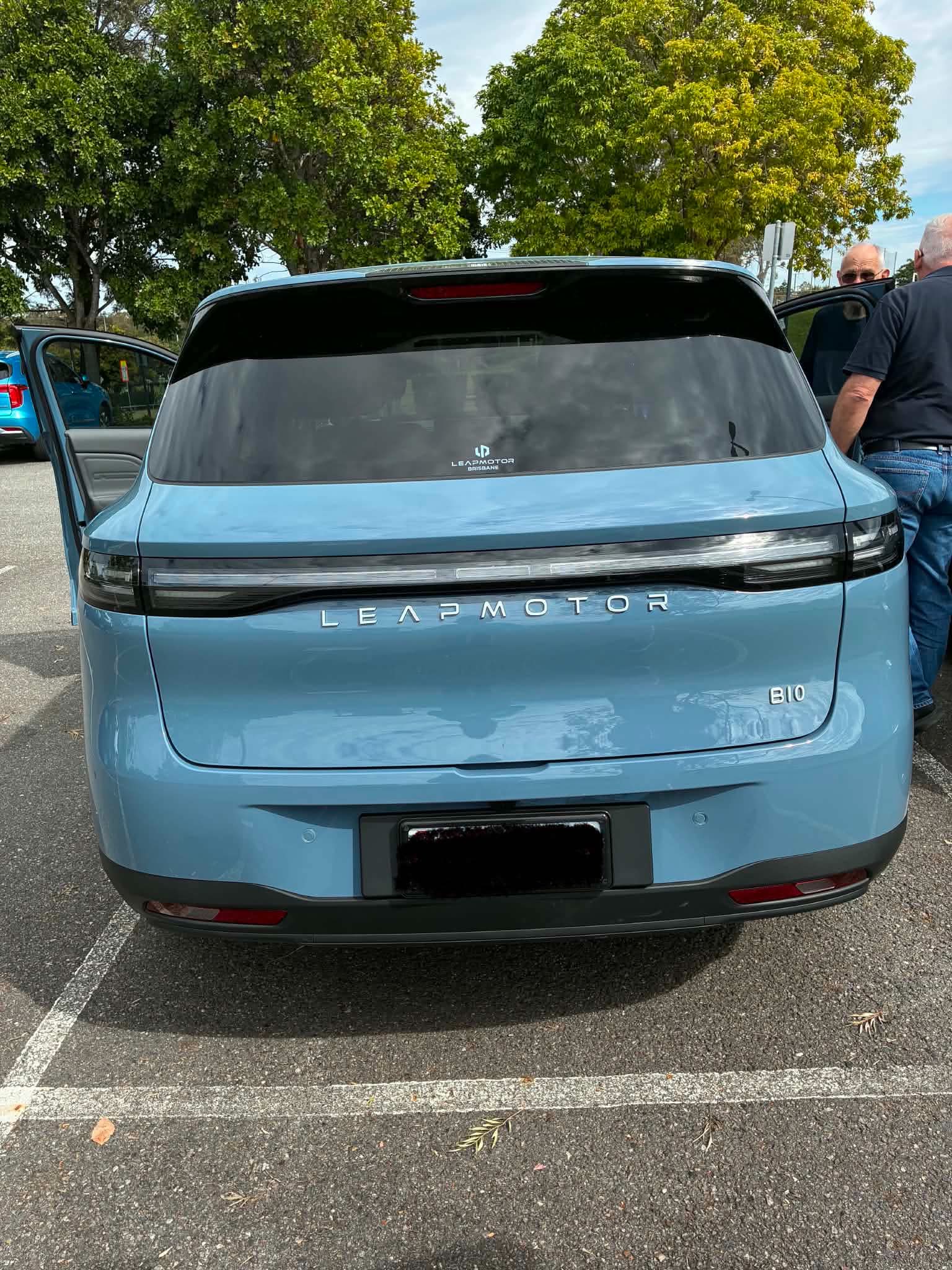
Sounds like George and Jeanette have made a relatively smooth transition from 21 years with petrol Subarus to an almost unknown Chinese battery electric car. I would love to be a fly on the wall and listen in to the conversations that must be taking place at their retirement village. An “exciting switch” indeed. For this adventurous elderly couple, the future is bright and electric!
Sign up for CleanTechnica’s Weekly Substack for Zach and Scott’s in-depth analyses and high level summaries, sign up for our daily newsletter, and follow us on Google News!
Have a tip for CleanTechnica? Want to advertise? Want to suggest a guest for our CleanTech Talk podcast? Contact us here.
Sign up for our daily newsletter for 15 new cleantech stories a day. Or sign up for our weekly one on top stories of the week if daily is too frequent.


CleanTechnica uses affiliate links. See our policy here.
CleanTechnica’s Comment Policy