
Industry Seeks Assured Offtake to Unlock Investment in India’s Coal Gasification Push

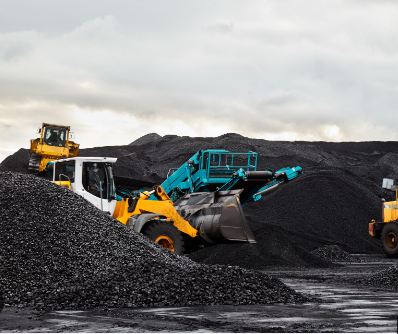
India’s energy industry is calling for assured offtake commitments from the government to make coal gasification projects commercially viable, arguing that financial incentives alone may not be sufficient to attract the large investments required for these capital-intensive ventures.
The demand comes as the government rolls out a ₹37,500-crore incentive scheme aimed at expanding surface coal and lignite gasification and creating a domestic coal-to-chemicals ecosystem. The scheme provides financial support of up to 20% of the cost of plant and machinery for eligible projects.
Industry Wants Demand Certainty
Industry executives say developers face significant financial risks if they invest thousands of crores without knowing who will purchase the resulting products, in what volumes and at what prices. Coal gasification converts coal into synthetic gas, or syngas, which can be used to produce chemicals, fertilisers, fuels and other industrial products.
According to industry representatives, viability gap funding (VGF) can reduce part of the initial capital burden but does not address the underlying revenue risk. Long-gestation projects require greater certainty over future demand before companies and lenders can commit substantial capital.
Assured Offtake Could Improve Project Financing
Industry stakeholders are seeking long-term purchase commitments that would provide greater visibility into project revenues. Such arrangements could help developers secure financing and make investment proposals more attractive to lenders.
The demand is particularly important because coal gasification plants require substantial upfront investment and can take several years to develop and commission. Without predictable markets for syngas and downstream products, companies could face significant commercial risks even after receiving government capital support.
Additional Support Sought
Apart from assured offtake, industry representatives are also seeking freight support and suitable land allocation near coal mines or ports to reduce logistics costs. Such measures could improve the economics of projects and encourage private-sector participation.
The experience of the Talcher fertiliser project in Odisha has also highlighted some of the execution and commercial challenges associated with coal gasification projects, reinforcing industry concerns about project timelines and financial viability.
Push to Reduce Import Dependence
Coal gasification is part of India’s broader strategy to make greater use of domestic coal while reducing dependence on imported natural gas and chemical feedstocks. The technology can convert coal into syngas, which can subsequently be used in the production of fertilisers, methanol, hydrogen and synthetic natural gas.
Government-backed projects are expected to play an important role in developing the technology and creating an ecosystem around coal-to-chemicals production. However, industry participation will depend heavily on whether projects can demonstrate predictable long-term revenues.
With the government’s ₹37,500-crore programme now providing a major policy push, industry believes that assured offtake mechanisms could be the missing link needed to convert policy support into large-scale commercial investment in coal gasification.