
Rare Earth Minerals Explained: Why They Have Become the World’s Most Strategic Resources

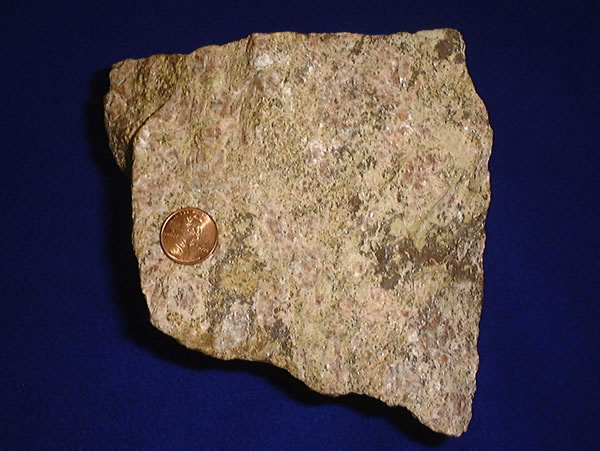
Rare earth minerals have emerged as some of the world’s most strategic resources, playing a crucial role in industries ranging from clean energy and consumer electronics to defence and advanced manufacturing. As nations compete to secure reliable supplies, these critical minerals have become central to global economic and geopolitical strategies.
Rare earth elements (REEs) are a group of 17 chemically similar metals, including neodymium, dysprosium, terbium and lanthanum. Despite their name, they are relatively abundant in the Earth’s crust but are rarely found in economically viable concentrations, making mining and processing both complex and expensive.
These minerals are essential for manufacturing high-performance permanent magnets used in electric vehicles (EVs), wind turbines, smartphones, computers, medical equipment and advanced robotics. They are also indispensable in military technologies such as guided missiles, fighter aircraft, radar systems, submarines and satellite communications.
The global race for rare earths has intensified as countries accelerate the transition to renewable energy and electrification. Demand is expected to rise sharply over the coming decades, driven by rapid growth in EV production, renewable power installations and artificial intelligence-enabled technologies.
China currently dominates the global rare earth supply chain, accounting for a significant share of mining, refining and processing capacity. This concentration has prompted countries including the United States, Australia, India, Canada and members of the European Union to invest in new mining projects, processing facilities and recycling technologies to diversify supply and reduce strategic dependence.
Environmental concerns also remain a major challenge, as rare earth extraction and processing can generate hazardous waste and require significant water and energy resources. Governments and mining companies are therefore investing in cleaner extraction methods and sustainable processing technologies.
As competition for critical minerals grows, rare earths are increasingly viewed not only as valuable industrial commodities but also as strategic assets with far-reaching implications for national security, technological leadership and the global energy transition. Their importance is expected to continue rising as economies become more dependent on advanced technologies and low-carbon energy systems.