
China Builds Rare Earth Talent Pipeline with Specialized University Degrees

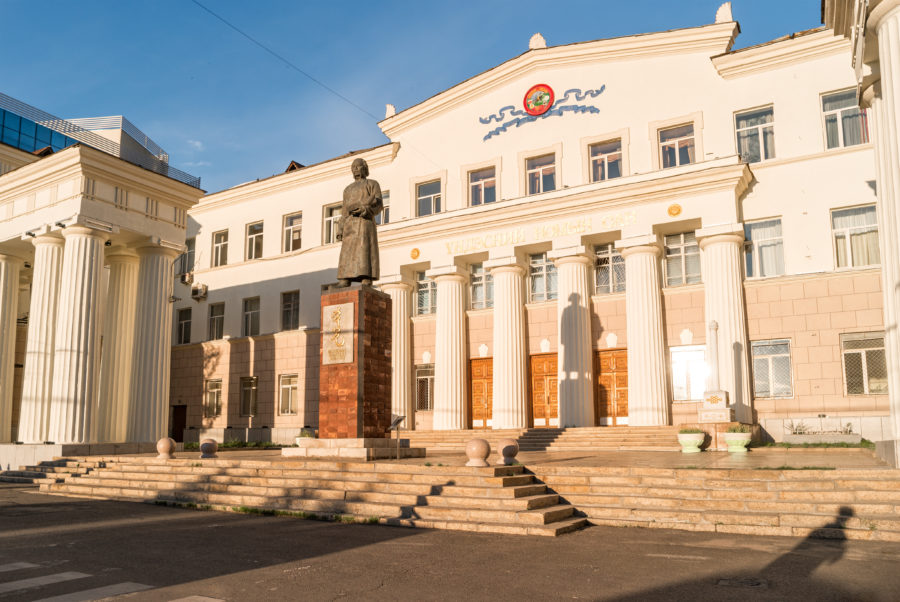
China is strengthening its dominance in the global rare earth industry by investing not only in mining and processing capacity but also in specialized education programs designed to train the next generation of industry experts.
Several Chinese universities have introduced degree programs focused on rare earth exploration, mining, metallurgy, materials science, and mineral processing. These courses aim to provide students with the technical knowledge needed to support one of the country’s most strategically important industries.
Rare earth elements are essential components in a wide range of advanced technologies, including electric vehicles, wind turbines, smartphones, semiconductors, military equipment, and renewable energy systems. As global demand for these materials continues to rise, China is seeking to ensure a steady supply of skilled professionals capable of supporting the sector’s long-term growth.
Industry experts say China’s educational initiatives reflect a broader national strategy to maintain its leadership in critical minerals. By developing specialized academic programs, the country is creating a talent pipeline that links universities, research institutions, and industrial enterprises.
Students enrolled in these programs typically study subjects such as geology, mineral engineering, extraction technologies, materials development, environmental management, and industrial applications of rare earth elements. Many programs also include internships and partnerships with mining companies and research laboratories.
China currently dominates much of the global rare earth supply chain, particularly in processing and refining activities. The country’s extensive investment in workforce development is viewed as another competitive advantage as nations around the world race to secure supplies of critical minerals needed for emerging technologies.
The move comes at a time when governments in North America, Europe, and Asia are working to reduce dependence on single-source supply chains for strategic resources. However, analysts note that replicating China’s expertise will require not only investment in mining projects but also long-term commitments to education, research, and technical training.
Universities offering rare earth-focused degrees have reported growing interest from students seeking careers in high-tech manufacturing, materials science, and resource development. The sector’s importance to clean energy and advanced technology industries has increased its appeal among young professionals.
Observers believe China’s focus on developing specialized talent could help reinforce its position in the global rare earth market for years to come. As competition for critical minerals intensifies, human capital and technical expertise are likely to become as important as resource reserves themselves.
The expansion of rare earth education programs highlights how countries are increasingly viewing critical minerals not only as economic assets but also as strategic resources essential to future technological and industrial leadership.