
Military Metals Shares Slide After Slovak Authorities Revoke Antimony Project Licence

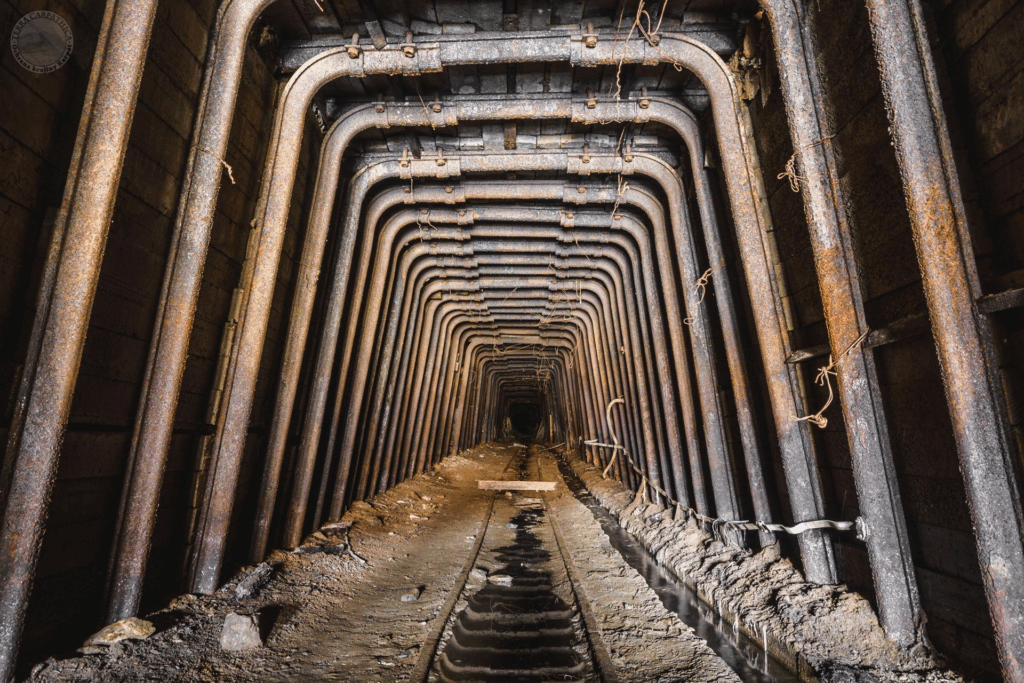
Military Metals faced a sharp setback after Slovak authorities revoked the licence for one of its key antimony projects, triggering a decline in the company’s share price and raising concerns about the future of the strategic minerals development venture.
The decision by regulators to cancel the project licence has created uncertainty around the company’s plans to develop antimony resources in Slovakia, a country considered important for Europe’s efforts to secure critical mineral supplies. Investors reacted negatively to the news, sending Military Metals’ shares lower as markets assessed the potential impact on the company’s growth prospects.
Antimony is classified as a critical mineral due to its wide range of industrial, defense, and technology applications. The metal is used in flame retardants, batteries, semiconductors, military equipment, and various advanced manufacturing processes. Growing geopolitical tensions and supply chain concerns have increased interest in developing alternative sources of antimony outside dominant producing regions.
Military Metals had positioned the Slovak project as a significant part of its strategy to capitalize on rising demand for critical minerals. The project was expected to contribute to Europe’s broader objective of reducing dependence on imported raw materials and strengthening domestic mineral production.
The licence revocation has raised questions regarding the project’s regulatory future. While details surrounding the decision remain under review, company officials indicated they are evaluating legal and administrative options that may allow the project to move forward or challenge the ruling through appropriate channels.
Industry observers note that mining and critical mineral projects across Europe often face complex regulatory processes involving environmental assessments, land-use approvals, and community consultations. Such factors can significantly influence project timelines and investment decisions.
The setback comes at a time when governments across Europe and North America are increasing efforts to secure supplies of strategic minerals essential for defense, clean energy technologies, and advanced manufacturing. Antimony, in particular, has attracted growing attention due to concerns about concentrated global supply chains and limited production outside a handful of countries.
Analysts believe the licence cancellation could delay development plans and affect the company’s near-term valuation. However, they note that demand fundamentals for antimony remain strong, supported by industrial growth, energy transition technologies, and national security considerations.
Military Metals stated that it remains committed to advancing its portfolio of critical mineral assets and will continue to engage with relevant authorities and stakeholders regarding the future of the Slovak project.
The development highlights the regulatory challenges often associated with mining projects and underscores the importance of permitting certainty in efforts to expand domestic supplies of strategically important minerals.