
Coal Gasification Scheme Open to Private Sector; Government to Provide 30-Year Coal Linkage, Says MoS Satish Chandra Dubey

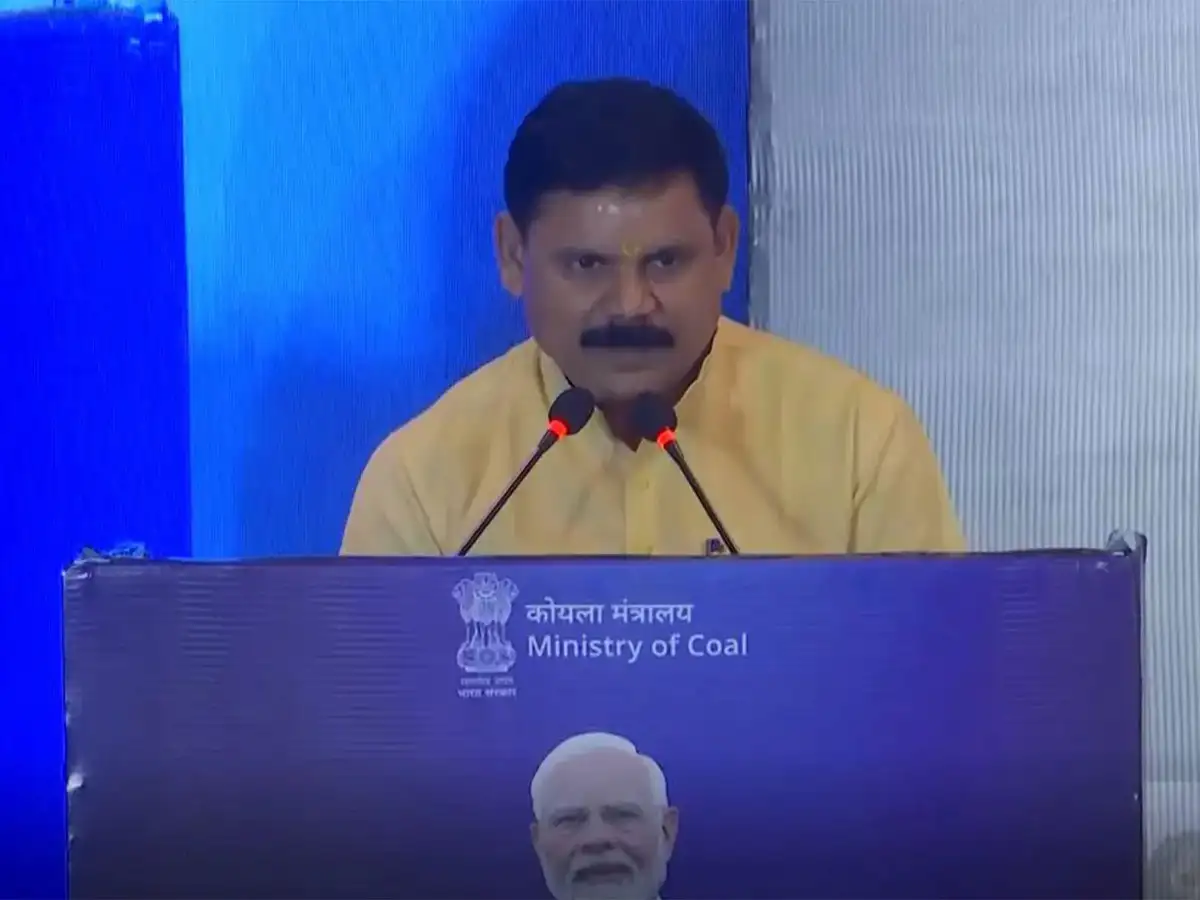
The Government of India has opened its coal gasification initiative to private sector participation and will provide coal linkages for up to 30 years to eligible projects, Minister of State for Coal and Mines Satish Chandra Dubey announced.
The move is aimed at accelerating investment in coal gasification projects, reducing dependence on imported fuels and feedstock, and promoting the use of India’s abundant coal reserves for value-added industrial applications. The long-term coal linkage assurance is expected to provide greater certainty for investors and improve the financial viability of large-scale gasification projects.
Speaking about the initiative, Dubey said the government’s coal gasification scheme is designed to encourage participation from both public and private sector entities. The provision of a 30-year coal supply linkage is intended to support long-term project planning and attract significant capital investment into the sector.
Coal gasification is a process that converts coal into synthesis gas, or syngas, which can be used to produce chemicals, fertilizers, methanol, synthetic natural gas, and other industrial products. The technology is viewed as a strategic tool for enhancing energy security and reducing India’s reliance on imported natural gas, crude oil, and petrochemical feedstocks.
The government has identified coal gasification as a key component of its broader strategy to diversify coal utilization beyond conventional power generation. Policymakers believe that increased domestic production of chemicals and industrial feedstocks can strengthen manufacturing competitiveness while creating new economic opportunities in coal-producing regions.
Industry experts say long-term coal linkage commitments are critical for attracting private investment because gasification projects require substantial upfront capital and extended operational timelines. Assured coal supply helps reduce risks associated with fuel availability and pricing, making projects more attractive to lenders and investors.
The initiative is also expected to support India’s goal of achieving higher levels of value addition from domestic coal resources. By converting coal into higher-value products, the country can potentially reduce import bills and strengthen supply chains for key industrial sectors.
Several public and private companies have already expressed interest in coal gasification technologies as demand for chemicals, fertilizers, and alternative fuels continues to grow. Government support through policy incentives, financial assistance, and long-term coal linkages is expected to accelerate project development across the country.
The Ministry of Coal has been actively promoting gasification projects as part of efforts to modernize the coal sector and expand the range of products derived from coal. Officials believe that wider adoption of gasification technologies could contribute to industrial growth, employment generation, and enhanced energy resilience.
With private sector participation now formally encouraged and long-term coal supply assurances on offer, the coal gasification scheme is expected to attract fresh investments and play a significant role in India’s evolving energy and industrial landscape in the coming years.