
Copper Market Braces for Another Round of U.S. Tariff Uncertainty

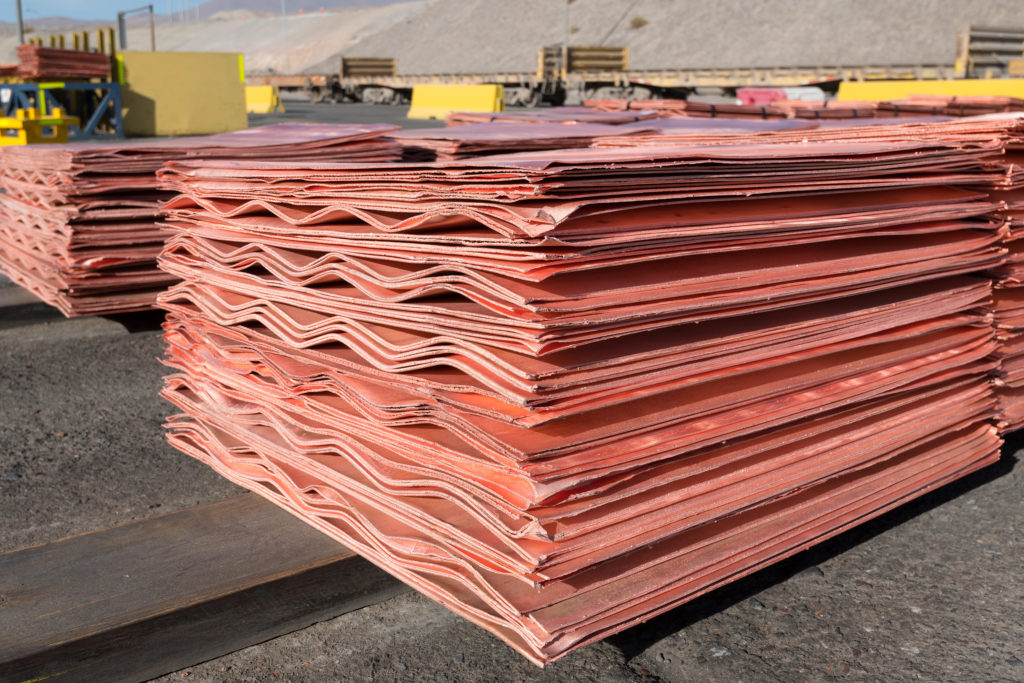
Global copper markets are preparing for renewed volatility as uncertainty surrounding potential U.S. tariff measures raises concerns across the metals industry. Traders, miners, manufacturers, and investors are closely monitoring developments amid fears that new trade actions could significantly impact copper flows, pricing dynamics, and global supply chains.
Copper, often regarded as a key indicator of economic activity due to its widespread use in construction, manufacturing, electronics, and renewable energy infrastructure, has become increasingly sensitive to policy shifts and geopolitical developments. Market participants are now weighing the possible consequences of additional tariffs or import restrictions that could alter trade patterns and increase costs for consumers and industries.
The prospect of fresh U.S. tariff measures has introduced a new layer of uncertainty into an already complex market environment. Copper prices have experienced heightened fluctuations as traders attempt to assess the likelihood of policy changes and their potential impact on demand and supply fundamentals.
Industry analysts note that tariffs could influence copper imports, encourage stockpiling activity, and create regional price disparities. Buyers may accelerate purchases ahead of any policy implementation, while suppliers could seek alternative markets to avoid higher trade barriers.
The United States remains heavily dependent on copper imports to meet domestic demand, despite ongoing efforts to strengthen local mining and refining capacity. Any significant change in tariff policy could affect manufacturers in sectors such as automotive production, electrical equipment, consumer electronics, and clean energy technologies.
The uncertainty comes at a time when copper demand is expected to grow steadily due to the global energy transition. Electric vehicles, power grids, renewable energy projects, and battery storage systems require substantial quantities of copper, making the metal a strategic resource for many countries.
Mining companies and commodity producers are also watching developments closely. A shift in trade policy could influence investment decisions, project economics, and long-term supply agreements. Producers in major copper-exporting nations may need to adjust strategies if trade flows become disrupted by new tariffs.
Financial markets have reacted cautiously, with investors balancing concerns about trade restrictions against expectations of strong long-term demand. While some analysts believe tariff measures could support domestic production, others warn that higher costs may ultimately be passed on to manufacturers and consumers.
The situation has revived memories of previous periods of trade-related uncertainty that caused significant volatility across commodity markets. Market participants remain cautious as they await clearer signals from policymakers regarding the direction of U.S. trade policy and its implications for critical industrial metals.
As discussions continue, copper markets are likely to remain highly sensitive to policy announcements and geopolitical developments. The outcome could shape global trade flows and pricing trends for one of the world’s most important industrial commodities in the months ahead.