
Aluminum Market Faces Fresh Uncertainty as Gulf Tensions Trigger Industry Concerns

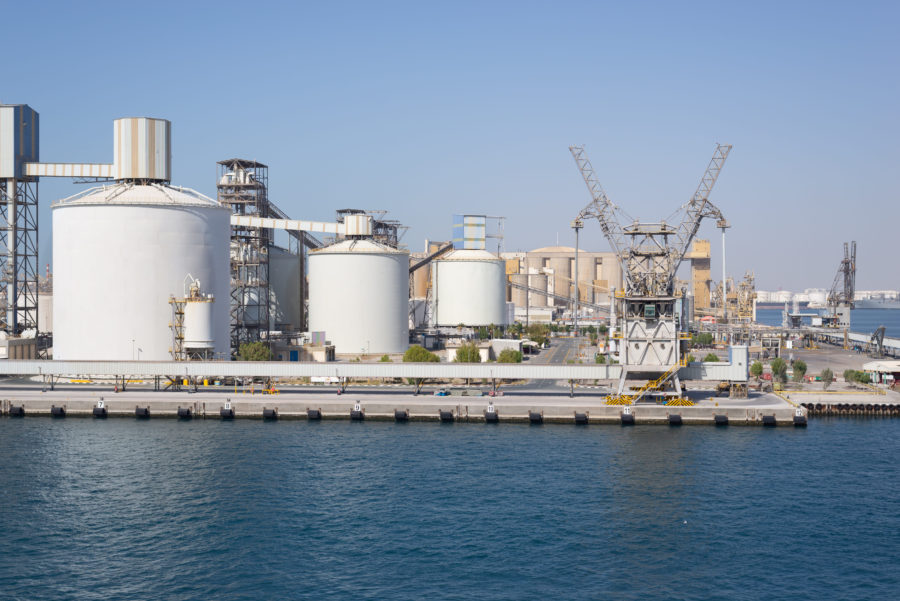
Global aluminum markets are showing signs of stress as rising geopolitical tensions in the Gulf region create uncertainty across supply chains, energy markets, and industrial production. Analysts warn that the latest developments could increase volatility in aluminum prices and place additional pressure on manufacturers worldwide.
The Gulf region plays a significant role in global energy exports and industrial supply chains, making it highly sensitive for commodity markets. Aluminum production is heavily dependent on stable energy supplies because the metal requires large amounts of electricity during the smelting process. Any disruption linked to energy costs or regional instability can quickly affect production economics.
Market observers say warning signals are beginning to emerge as investors react to concerns over shipping routes, fuel prices, and raw material availability. Rising freight costs and fears of supply interruptions are already contributing to uncertainty among traders and industrial buyers.
Several major aluminum-producing countries and companies rely on energy imports and stable transportation networks connected to the Gulf. Experts note that prolonged instability could increase operational expenses for smelters and downstream manufacturers involved in sectors such as automotive, construction, aerospace, packaging, and consumer goods.
Commodity analysts believe aluminum prices could remain volatile in the near term if geopolitical risks continue to intensify. Investors are closely monitoring oil markets, shipping activity, and government responses, as these factors may influence broader industrial metal markets.
The situation has also renewed concerns over global supply chain resilience. Manufacturers dependent on aluminum are evaluating inventory levels and procurement strategies to protect themselves from possible disruptions or sudden price increases.
Economists warn that higher aluminum prices may eventually impact production costs across multiple industries, potentially contributing to inflationary pressure in global markets. Companies with high exposure to raw material costs may face tighter margins if market instability continues.
Industry experts say the current situation highlights the growing connection between geopolitics, energy security, and industrial metals, particularly in sectors critical to infrastructure development and the global energy transition.