
Chile’s Mining Sector Faces Policy Test as Kast Government Signals Regulatory Shifts

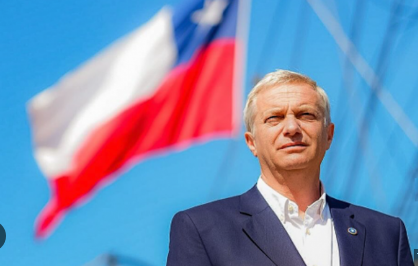
Chile’s mining sector is entering a critical phase as the government led by José Antonio Kast prepares to reshape policies affecting the country’s vast mineral resources. As the world’s largest producer of copper and a major supplier of lithium, Chile holds a strategic position in the global energy transition, making any regulatory shift closely watched by investors and international markets.
The new administration has indicated that it intends to review existing mining regulations and taxation structures introduced in recent years. Industry leaders believe these policy decisions will determine whether Chile can maintain its competitive edge in attracting mining investments, especially as demand rises for metals used in electric vehicles and renewable energy technologies.
Copper remains the backbone of the Chilean economy, accounting for a significant portion of export revenues. Major mining operations across the Atacama region supply global markets, and companies operating in the country are assessing how potential regulatory adjustments could affect production costs, environmental compliance, and long-term investment planning.
Another key focus is the development of lithium resources in the country’s salt flats. Lithium demand has surged due to its essential role in battery manufacturing. The Kast administration is expected to outline its approach toward state participation, private investment, and environmental oversight in lithium extraction projects.
Industry analysts say the government faces a delicate balance between encouraging foreign investment and ensuring that mining revenues contribute more directly to national development. Over the past decade, debates over royalty rates, environmental protections, and community rights have intensified in Chile’s mining regions.
Global mining firms are also evaluating policy stability as they consider expanding operations in the country. Chile competes with other resource-rich nations such as Peru and Australia, which are also vying for capital in the critical minerals sector.
The coming months are expected to reveal how the Kast administration intends to position Chile within the rapidly evolving global minerals market. For both domestic stakeholders and international investors, the government’s policy direction will play a decisive role in shaping the future of Chile’s mining industry.