

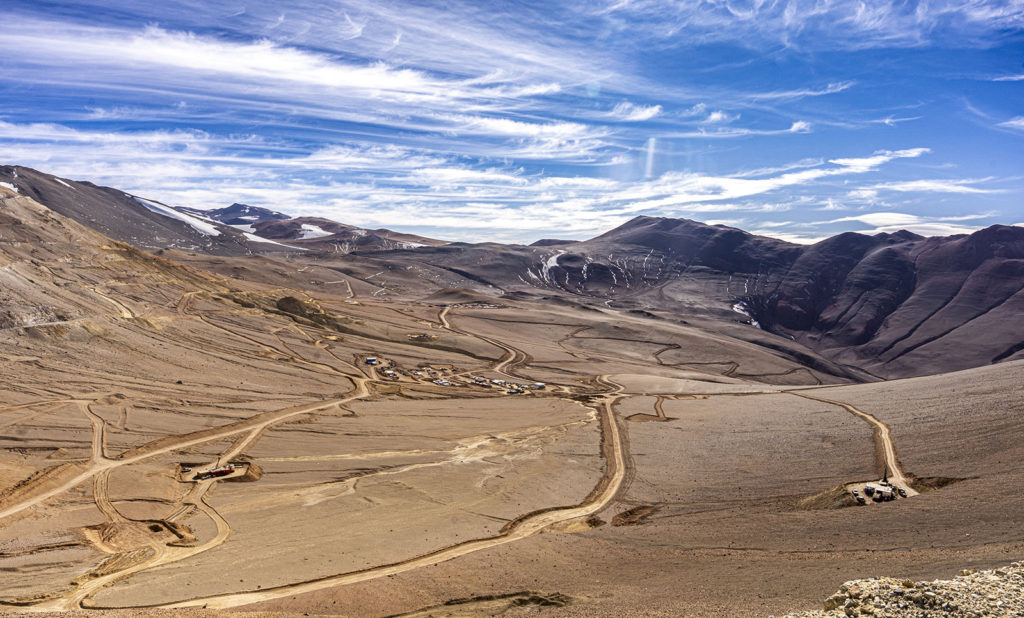
Argentina’s ambitious plan to unlock a potential $40 billion copper investment boom — one that could transform the country into a major player in the global copper market — now hinges on sweeping changes to its strict glacier protection law, analysts and lawmakers say.
President Javier Milei’s government has championed efforts to amend the landmark 2010 law that currently blocks mining and oil exploration in glacier and periglacial areas, many of which sit over rich mineral deposits. The proposed reforms would shift decision-making authority from federal agencies to provincial governments, allowing local authorities in resource-rich regions such as San Juan, Catamarca, Salta and Mendoza to determine which ice features require protection and which could be opened for copper extraction.
Late last week, Argentina’s Senate narrowly approved the first phase of the glacier law reform, advancing the bill to the lower house for final approval. Supporters of the changes argue that clearer regulatory definitions would reduce legal uncertainty and unlock billions in planned mining investment, particularly for large copper deposits that companies like BHP Group and Lundin Mining are eager to develop. Such projects could significantly boost Argentina’s mining exports and create jobs, backers say.
However, the proposed overhaul has sparked a major environmental backlash. Opponents, including Greenpeace Argentina and local advocacy groups, warn that weakening glacier protections risks the country’s critical freshwater reserves, threatening rivers and downstream agricultural communities that rely on meltwater. Critics also caution that mining is being prioritized over long-term ecological sustainability.
The debate reflects a broader tension in Argentina’s economic agenda. Milei’s push for deregulation and foreign investment aims to attract capital ahead of economic challenges and upcoming elections, but environmentalists and some local communities are mobilizing protests over the potential costs to water security and ecosystems.
If ultimately enacted, the glacier law reform could accelerate the development of copper operations that analysts say are essential to meeting surging global demand for the metal, which plays a crucial role in renewable energy systems, electric vehicles and clean-technology infrastructure. But the outcome remains uncertain as fierce debate continues in Congress and across Argentine society.