
Zimbabwe Imposes Immediate Ban on Exports of All Raw Minerals and Lithium Concentrates

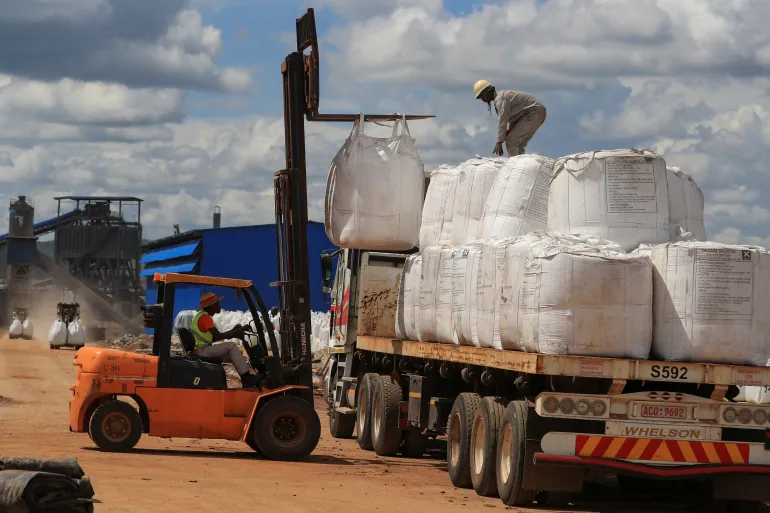
Zimbabwe’s government has suspended exports of all raw minerals and lithium concentrates with immediate effect, a move aimed at strengthening control over the country’s rich natural resources and boosting domestic value addition in the mining sector. The decision was announced on Wednesday by Mines Minister Polite Kambamura, with the export suspension set to remain in place “until further notice,” including for minerals currently in transit.
According to the Mines Ministry, the sweeping ban — originally expected to begin in January 2027 for lithium concentrates — has been hastened due to concerns about “continued malpractices and export leakages” in mineral shipments. The move is part of broader government efforts to ensure transparency, accountability, and in-country processing of critical mineral resources before they leave the country.
Zimbabwe holds some of Africa’s largest lithium deposits and is a major producer of the battery metal, having exported more than 1.12 million metric tonnes of lithium-bearing spodumene concentrate in 2025, primarily to refineries in China. The ban is seen as a strategic effort to capture more economic benefits by encouraging mining companies to develop local processing and refining facilities rather than exporting raw materials.
The policy shift has already had global market repercussions, with lithium prices and related stock values rising sharply as concerns grow over potential disruptions to supply chains for electric vehicle batteries and other clean-energy technologies. Observers say the unexpected change underscores Zimbabwe’s intent to maximize long-term gains from its mineral wealth and reduce reliance on foreign processing capacity.